

All of us have suffered from the cost of living crisis. However, as the prices pile up, are product sizes reducing?
Inflation
Since 2020, inflation in the United Kingdom has risen by 20%. This is unbelievable. Crucial products such as: food, fuel, energy and oil are getting unaffordable for many families. Reportedly, small businesses and lower-earning individuals are suffering the most, due to inflation; the epidemic effecting most. Although, there are many reasons why this has occurred across the globe.
One significant reason for inflation is linked to global problems like war. This is especially seen in 2022, as oil and gas were in strong demand because of Russia's invasion of Ukraine. Moreover, this year specially shows everyday people struggling with the price of fuel increasing. Mainly, this has stemmed from the conflicts in the Middle East. Another understandable reason for inflation is a consequence of the 2020 pandemic . Whilst most of the world was in lockdown, this has drastic impacts for supply. Less people worked, meaning less crucial supplies were available to be transported around countries. Alongside this, the rate of workers decreased due to illness and retirement, influencing hardships in the job market. Notably, this is evident in the United States as inflation has increased by 24% since the COVID-19 epidemic.
Shrinkflation
Although, it has been reported that inflation has fortunately reduced in the country to 2.6% in June. Lately, more optimistic news has been shared as the new prime minister Andy Burnham introduced positive changes. Burnham has publicly shared his love for publicising the buses and has capped journeys to £2 throughout the whole of 2027. Additionally, the new changes also eliminates VAT on electricity bills. Even with these promising transformations, local communities are still facing inflation and unfairness. Major brands available at supermarkets have been sneakily reducing product sizes, whilst increasing its price. This is called commonly as 'shrinkflation'.
Main companies have contributed to shrinkflation, with a key one being chocolate giant Terry's. Recently, their iconic chocolate orange product has been vasty scrutinised. Originally, weighing up to 157g it currently weighs up to 145g. In Tesco, a singular Terry's chocolate orange costs £2.50, but the year previously it was £2. Small differences with pricing and sizing, has seismic impacts on individuals. Other confectionary companies like Cadbury with their Christmas selections and Haribo have participated with this as well. Currently, there are challenges with production of cocoa beans because of irregular weather patterns and diseases.
The beauty industry has also took part. Famed beauty brands like Dove endured shrinkflation with products like: soap, bars and deodorants. Whilst, keeping the same price the product has reduced. This is seen with the bar amounts mitigating from 113g to 90g, however this did not happen with the price. Similarly, another beauty giant has made headlines. L'Oréal (a powerful makeup company) grew backlash because of product amounts reducing, while prices increased. One famed product name 'Elvive' shrunk from 400ml to 250ml. Many brands like this have shocked consumers.
What comes next for shoppers?
Next time while shopping, take an extra look of the products sizing and pricing. Sometimes we do not see the slight changes in the ordinary items we purchase. Whilst, facing hardships of inflation and shrinkflation, take more consideration of the prices we agree too, as this can save us lots of money.
 Are Obsessive-Compulsive Disorder Cases Rising in the UK?
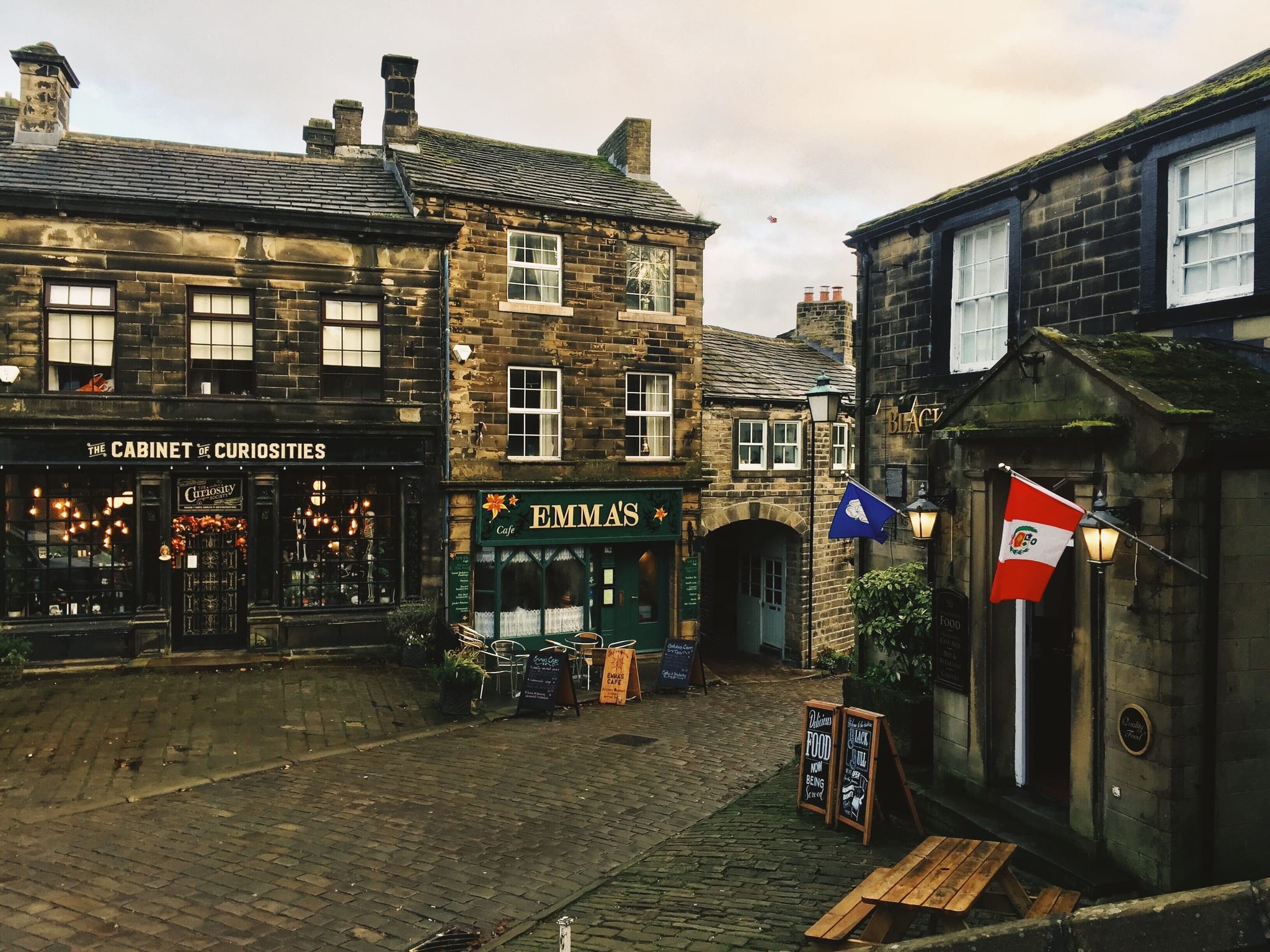 The Hidden 'Halloweeny' Village in Yorkshire
 Ominous Cases for October
 Sienna Spiro Sensationalising UK Charts
 Is There Still a North & South Divide?
 Why Are Black Cats Facing Bias?