
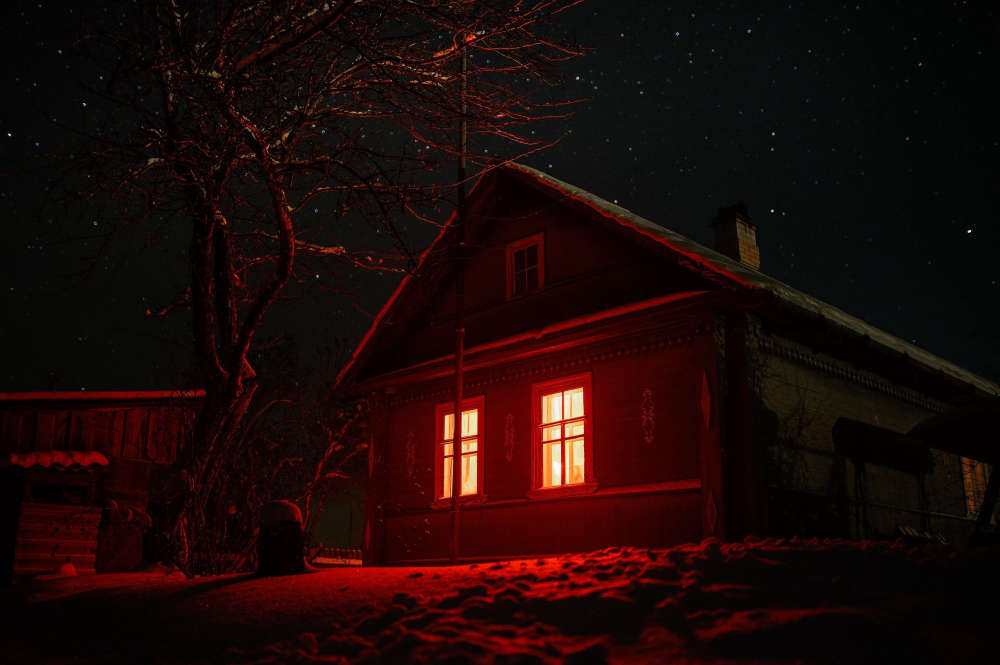
October is the start of the spooky season. From mysterious missing people cases to unsettling folklore, many legends surround the UK, however what are they?
London's own Poltergeist
Blockbuster 80's hit 'Poltergeist' was a tremendous hit in the early eighties. Grossing over $127.7 million worldwide, it was given the 8th best film in 1982. Although, out of the fictional world of the Poltergeist many deeply believe that it occurred in London. It was even investigated by the famous paranormal investigators Ed and Lorraine Warren. Initially, the paranormal case started in 1977. Police attended 284 Green Street, in north London, where a family of four reported mysterious and unexplainable knocking. The younger daughters (Margaret and Janet) experienced this. With fear and many unanswered questions, they turned to the police, who stated they seen a chair move on its own. This remark stunned many; after the family faced the pressed.
Through eighteen months, numerous anecdotes were recorded. Claims of movement of furniture, whistling and hearing an unknown mans voice, startled those involved with the cunning case. Due to this, writer Guy Lyon Playfair and paranormal investigator, Maurice Grosse published a book about this alleged Poltergeist case. With no surprise, they concluded that the house was haunted. As time progressed, the supernatural occurrences stopped, but Janet was still left deeply affected and spent time in London's Maudsley psychiatric hospital. Nearly half a century later, the curiosity of the Poltergeist still bewilders admirers. This evident in the Conjuring 2 film -starring Vera Famiga and Patrick Wilson- alongside the 2015 drama 'The Enfield Haunting'. New plays and adaptations have surfaced social media, keeping people interested in the mystery.
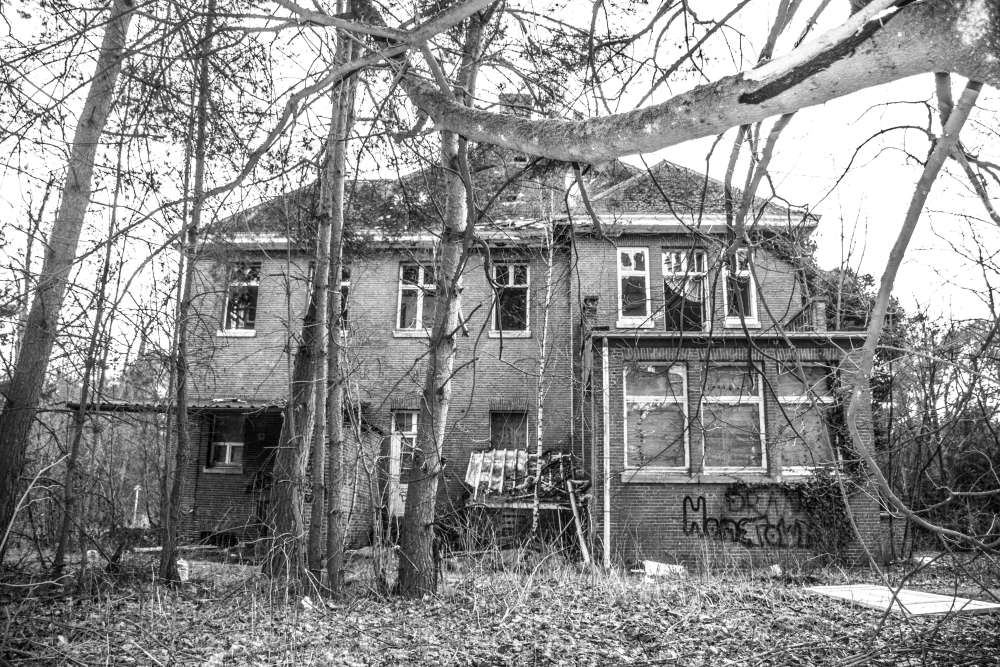
Photo taken by Thomas H.
Unknown lady buried in a tree
Many modern unsolved murder cases surround the country, however this did happen in the past. A 1940's unsolved homicide case, has questioned many because of the mysterious circumstances. Initially in 1943, two boys were exploring the woodland, lurking for bird eggs. Happening, in between the World War Two (in Hagley, Worcestershire) , the pair discovered a saddening sight, as they discovered remains of a woman. Alike to London's poltergeist case, it attracted media adaptations, while the BBC mentioned it in their BBC Sound series named 'The Body in the Tree'. Science took a strong interest in the murder. Professor James Webster -a forensic scientist- took an examination, but could not determine a cause of death. Although, he could conclude that the lady did not voluntary place herself there. The verdict supports James Webster's findings, as they believe it was a murder. Later on, graffiti was put on the tree stating "Hagley Wood Bella" plus "Who put Bella down the Wych Elm" on the streets.
Similarly, like many mysteries folklore and rumours prosper. Many thought, the lady could have been a spy during the Second World War and this grew gossip. Overtime, plays and books were written in inspiration of the case, even a opera show. Edging close to a century later, there has been no further leads to the identity of the victim or the culprits. Hopefully, as technology and science develops, maybe one day the conundrum of the case will finally be solved.
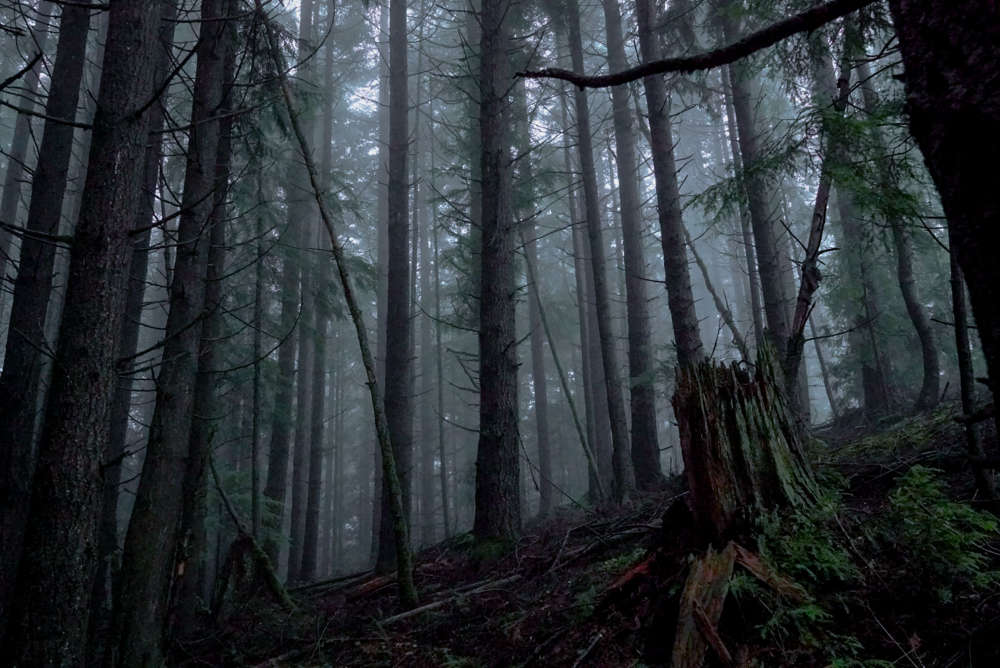
Photo taken by Lauren Church.
Pendle witches
Pendle is notorious for the 17th century witch trails. Located in the countryside of Lancashire, it is a town immersed in supernatural history, heritage and hauntings. Although, the Pendle Witches is the most known tale universally due to the legend of witchcraft and the executions that took place in Lancaster Castle. Out of the twelve accused, only one was believed to be innocent. Notably, this case was different than the trials of time, as it was actually recorded. Written by clerk Thomas Potts, he recorded the alleged witch trial in "The Wonderfull Discoverie of Witches in the Countie of Lancaster'. Because of this written account, it helped preserve the Lancastrian tale for centuries. Occurring in 1612, the infamous story took place because of bad luck and bad timing. A young girl named Alison Device encountered John Law and walked away without giving her a pin. Rumours prospered, but Alison believed that she cursed him and later on he suffered from a stroke...
Unable to communicate, Alison was panic-stricken and begged for John's mercy; he granted it. Although, his son Abraham pursued it further and gave the case to the magistrate, Roger Nowell. After this, the case turmoiled fastly and made many arrests of: Elizabeth Southerns, Anne Whittle, Elizabeth Device, Jennet Preston, Katherine Hewitt, Alice Nutter, Anne Redferne, James Device, Alison Device, John and Jane Bulcock. Horrifyingly, some of the victims were accused by their own family members like Jennet Device, who testified against her own mother, sister and brother. This eerie witch trial led ten people to be hanged on Gallows Hill, one person left innocent and one died in the dungeons, prior the execution.
Now, a safe playground, it is chilling that the place for their demise, is now a location for leisure. As time progressed, Jennet Device escaped records and documentation. However, 22 years later Jennet Device was accused of witchcraft but later not charged. Witchcraft was a wide spread belief in the 17th century, especially due to the monarch. King James I wrote the famous 'Daemonologie' in 1597. Later, this fear drove him to establish the Witchcraft Act of 1604. These are just some reasons for the witchcraft panic and mania of 1612, as later King James made it harder for witchcraft to be charged in court. Centuries later, science and technology has prospered. Most people now believe, the Pendle witches were innocent and that ten people were victims of the "miscarriage of justice'.
 Sienna Spiro Sensationalising UK Charts
 Is There Still a North & South Divide?
 Why Are Black Cats Facing Bias?
 Inflation or Shrinkflation?
 What is going on with Reform UK right now?
 Four Favoured Theme Parks in the UK