We are about to have our seventh Prime Minister in a decade; from Cameron to Starmer, and likely Burnham to come next - we have seen more contested leadership in British politics than at any other point in our history.
Ten years ago, David Cameron was still Prime Minister of the United Kingdom
We are about to have our seventh Prime Minister in a decade, having seen through five Conservative PMs, a Labour PM and his pending replacement as party leader in the same amount of time as Tony Blair, Gordon Brown and David Cameron spent in power.
Cameron was elected in the 2010 General Election, beating out the Labour government that came in in 1997 with Tony Blair’s ‘New Labour’ and was carried on by Gordon Brown after Blair resigned in 2007. In 2010, the Conservative Party - led by Cameron - won the General Election and came into power in a coalition government with Nick Clegg’s Liberal Democrats. In 2015, Cameron won re-election, though it soon became clear that he’d have to uphold one of the key promises made in his manifesto that won him the election - setting out a timeline for a referendum on Britain’s future as a member of the European Union.
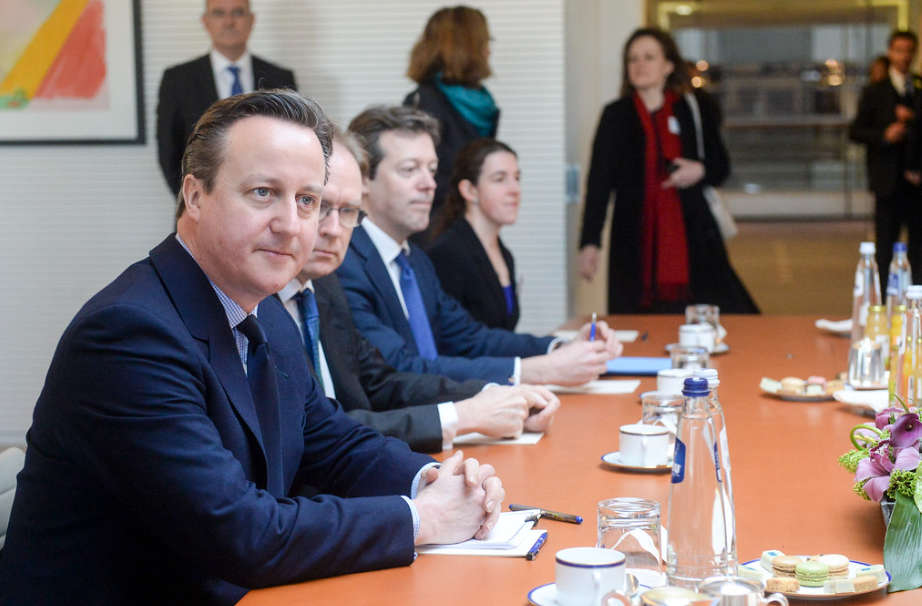
David Cameron meeting with President Schulz in 2016
Cameron campaigned to remain in the EU - but the referendum results said otherwise. A 72% voter turnout led to a slim majority of 52% voting to leave the European Union, and as a result, Cameron announced his resignation only a few hours after the results came in.
And so, a seemingly unyielding come-and-go of PMs began, the first being Cameron’s replacement as party leader in the October leadership contest, Theresa May.
If the defining moment of Cameron’s premier was the Brexit referendum, then May’s was Brexit itself. Theresa May was in power for three years, from 2016 to 2019, and began the process of removing the nation from the European Union in 2017 by triggering Article 50. Following this, she called for a snap General Election in 2017 to strengthen her position, but instead the result was a hung parliament and a lost majority, leading to the Conservative-DUP confidence-and-supply agreement that helped her hold onto power.
Her leadership of the Conservatives and the country came to an end amongst a slurry of failed Brexit deals that never passed parliamentary votes and a vote of no-confidence from her own party.
May’s successor, Boris Johnson, began his tenure by re-opening Brexit negotiations and almost immediately proroguing Parliament, agreeing to a revised Brexit withdrawal agreement, failing to gain parliamentary support and then calling a snap General Election that he won in a landslide. Johnson was perhaps known best for his government’s handling of the COVID-19 pandemic, which came about the following year, and it was largely what lost him his power.
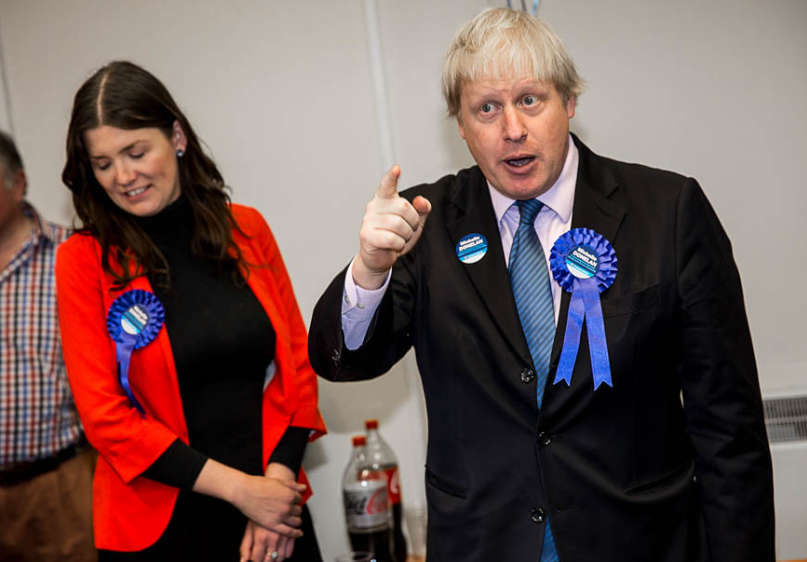
Boris Johnson prior to his premiership, pictured campaigning in 2015.
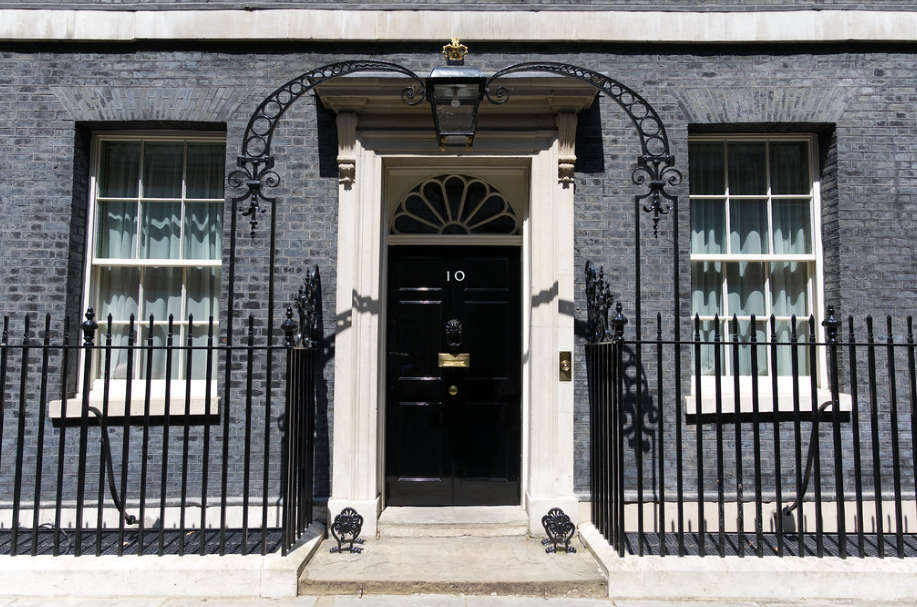
In 2022, Johnson was issued with a fixed penalty notice after the Partygate scandal found that during the pandemic lockdown, numerous parties were held at 10 Downing Street and government-mandated social-distancing regulations were broken by 83 members of that government, including Johnson himself. Whilst the Prime Minister survived a vote of no confidence as a result of the Sue Gray report, controversy over the appointment of deputy chief whip Chris Pincher, despite knowing of allegations of sexual misconduct made against him, led to a mass resignation from the government and Johnson’s own step down from power.
After, came the shortest tenure of a Prime Minister ever in British History, that being the 49-day premiership of Liz Truss. Truss’ short time in power still had its impact on the country, highlighted most perhaps by her mini-budget, which caused significant criticism and led to the British Pound dropping to its lowest ever rate against the US Dollar. In October of 2022, Truss resigned and was replaced by RIshi Sunk, who had been - up until July 2022 - the Chancellor of the Exchequer and at 42 became the youngest Prime Minister since the Earl of Liverpool in 1812.
Sunak’s two years in power began uneasily, as the economy he inherited was in poor shape, and had been weakened further by Liz Truss and Kwasi Kwarteng’s attempts to strengthen it through a mini-budget.
As Chancellor, Sunak had been popular, and attempted to bring the country back from economic issues caused by the COVID-19 pandemic, including the Eat Out to Help Out scheme and employment furlough. As Prime Minister, he still spent a large amount of his focus on the economic state of the country, but also in tougher regulations on immigration and a range of international struggles, from Ukraine to Gaza. However, the bigger picture saw the Conservative Party as a whole tanking in popularity, and Sunak was the last Conservative Prime Minister in a consecutive run that lasted since 2010, being defeated by a landslide victory from the Labour Party in 2024.
The Labour Party leader Sir Keir Starmer, who had been party leader since 2020, succeeded him as Prime Minister after the 2024 General Election led to a Labour government for the first time since 2010.
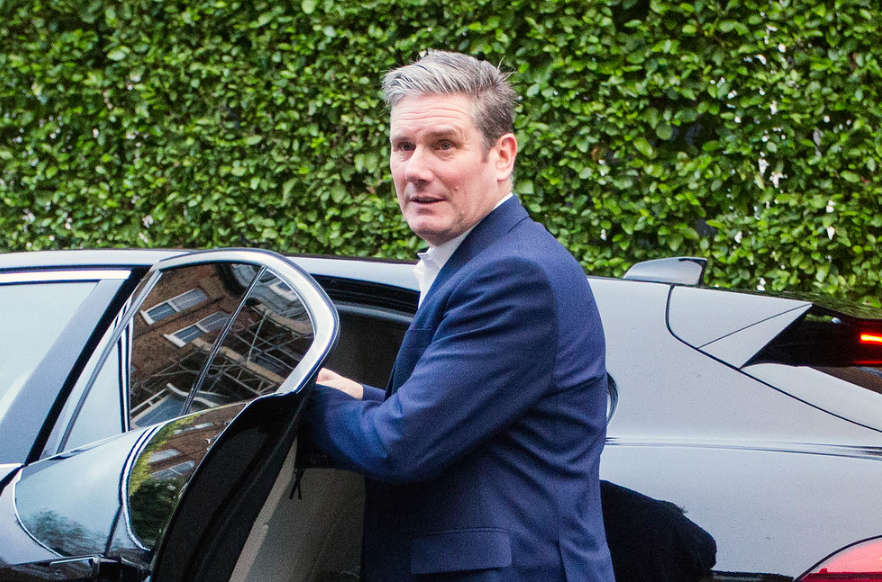
Sir Keir Starmer, pictured in 2020, having recently been elected Labour Party leader.
Starmer’s Labour inherited a cost-of-living crisis and unstable country, divided on key social issues from immigration to healthcare, and yet his tenure has come to an end several years earlier as the result of the Peter Mandelson scandal which has recently made headlines, and the dire results for Labour during the local elections this past May truly indicating a dissatisfaction with the progress made under Starmer. Many have said they feel he is out of touch and not suited to the ‘party of the people’ as Labour used to be known, and all of this culminated in the announcement of Starmer’s resignation this month.
The top-runner to succeed him is Mayor of Manchester and newly re-appointed MP Andy Burnham, which would make him our seventh Prime Minister in 10 tumultuous years.
British Prime Ministerial tenure tends to last a maximum of 5 years, as that’s the period of time that passes between each General Election, the standard being one held every 4-5 years in usual circumstances. Whenever the leadership contest within the Labour Party concludes, we will have our seventh PM since 2016, making the average length of tenure only a year and a half - and if we take Starmer’s replacement out of the equation? Its still less than two years total time in power.
It does make one wonder exactly how much each PM was capable of doing, even those with longer/standard premierships.
The rising culture in British party politics appears to be a governmental form of ‘cancel culture’, in which anytime a current administration fails to step up to the plate, there is a purge on the leadership, a resulting leadership crisis, and a handover of power, which more often than not results in the replacement inheriting the same unsolved issues that handed their predecessor their fate.
Hardly being set up for success.
As much as the British people do have the right to challenge their leadership and to hold them accountable for their wrongdoings, this kind of musical chairs governance makes actual governance much harder, and it is incredibly unprecedented.
We haven’t seen anything like this in British party politics in the last century, and this change to leadership standards and expectations, as well as the sudden shift in the most recent elections indicating a far less bipartisan and more diversified political landscape, has likely changed the face of British politics for, at the very least, the near future.
 Burnham's shapening speech "I will give this my all."
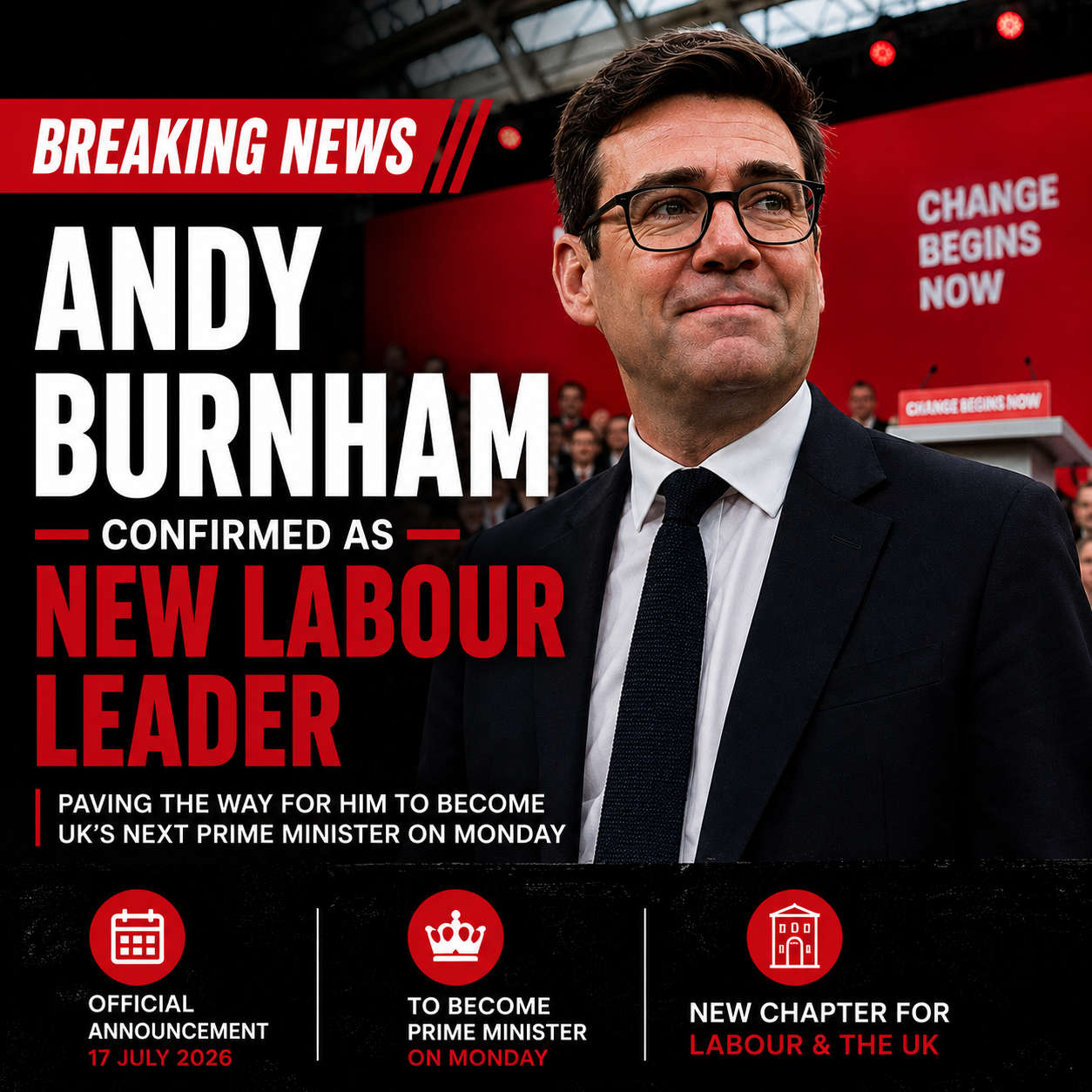 Andy Burnham Confirmed as New Labour Leader Ahead of Move into No. 10
 Man, 26, arrested on suspicion of murder after Ann Widdecombe found dead at home
 Ann Widdecombe Dies Aged 78
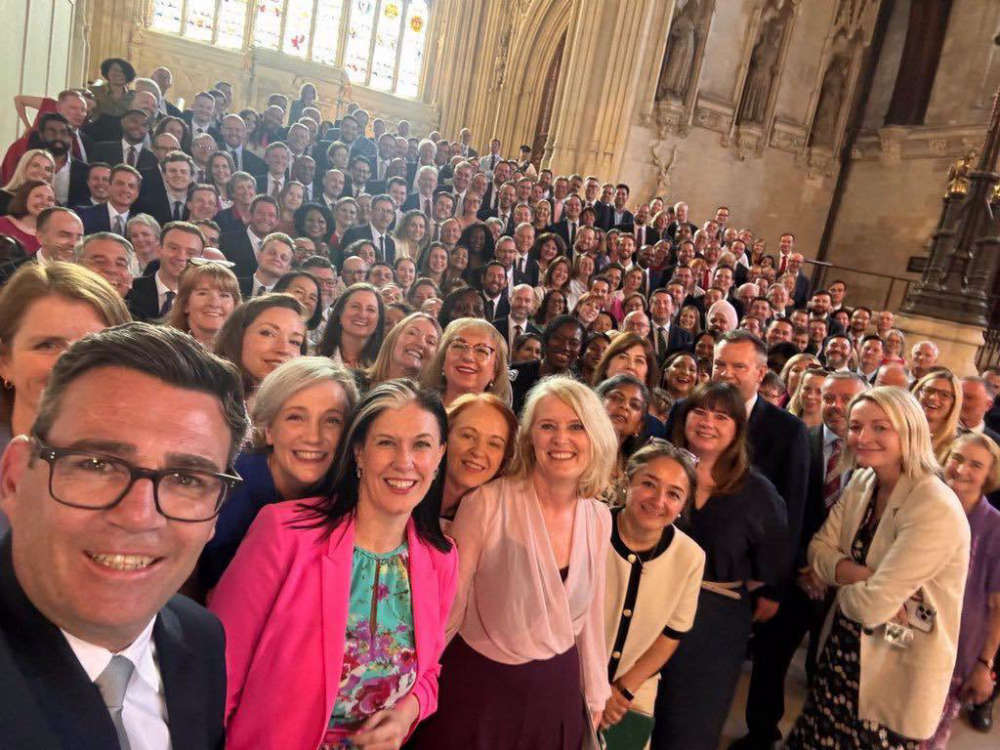 Andy Burnham Emerges as Labour Frontrunner as Potential Rivals Weigh Leadership Bids
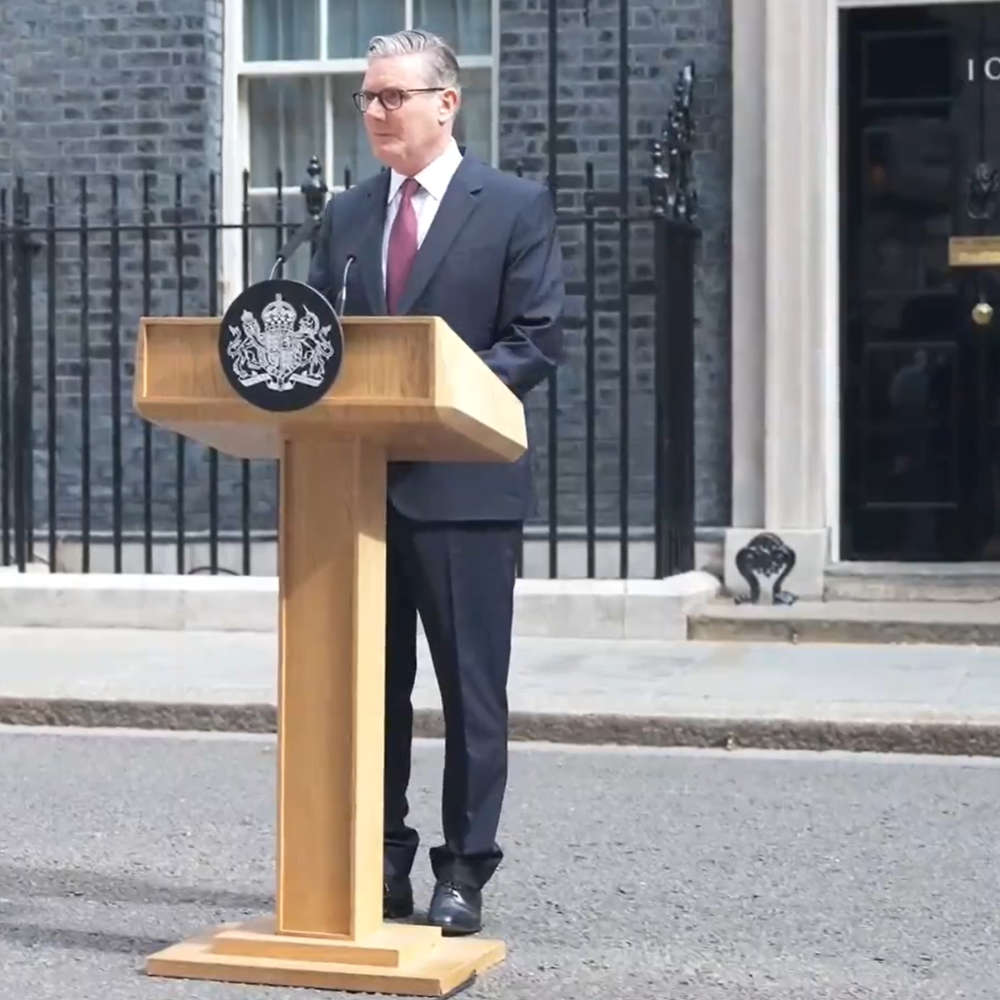 Keir Starmer Announces Resignation as Prime Minister and Labour Leader