
Viktor Orbán has conceded defeat in a speech to supporters, telling them: "The result of the election is clear and painful."
Orbán concedes defeat as Hungary enters new political era after historic election
Hungary is undergoing a dramatic political shift tonight after Prime Minister Viktor Orbán conceded defeat, ending his 16-year rule and opening the door to a new government led by opposition figure Péter Magyar.
Preliminary results show Magyar’s centre-right Tisza party taking a commanding lead, with projections indicating it could secure a strong parliamentary majority — and possibly even the two-thirds supermajority needed to reshape Hungary’s political system.
Orbán, one of Europe’s most dominant and controversial leaders, acknowledged the result, describing it as “painful” but clear, and pledged to continue serving the country from the opposition benches.
With roughly half the votes counted, Tisza is projected to win around 135–136 seats in the 199-seat parliament, far ahead of Orbán’s Fidesz party.
Early data also suggests Tisza is leading in a majority of constituencies and has secured over 50% of the vote, compared with about 40% for Fidesz.
Voter turnout has been exceptionally high — over 77%, one of the highest levels in Hungary’s post-communist history — reflecting the intensity and importance of the election.
A political earthquake
This result marks one of the most significant political upsets in Europe in years. Orbán had ruled Hungary since 2010, reshaping the country’s institutions, media landscape, and foreign policy direction.
His government was known for:
- Clashes with the European Union
- A tougher stance on migration and liberal values
- Closer ties with Russia and China
Magyar’s victory signals a potential reversal. He campaigned on:
- Restoring rule of law and tackling corruption
- Re-aligning Hungary more closely with the EU
- Reforming public services and institutions
Tensions and controversy
Despite the clear result trend, the election has not been without controversy. Both sides raised concerns about irregularities and interference, and Magyar himself warned about possible electoral fraud during the campaign.
Still, the scale of the opposition’s lead suggests a decisive shift in public sentiment, with analysts pointing to economic pressures, corruption concerns, and “fatigue” after years of one-party dominance.
What happens next
If the final results confirm a two-thirds majority, Magyar’s government could:
- Rewrite key laws and even amend the constitution
- Roll back policies introduced under Orbán
- Reset Hungary’s relationship with the EU and its allies
For now, Hungary is in transition — and Europe is watching closely. The outcome could reshape not just Hungarian politics, but the balance of power across the EU.
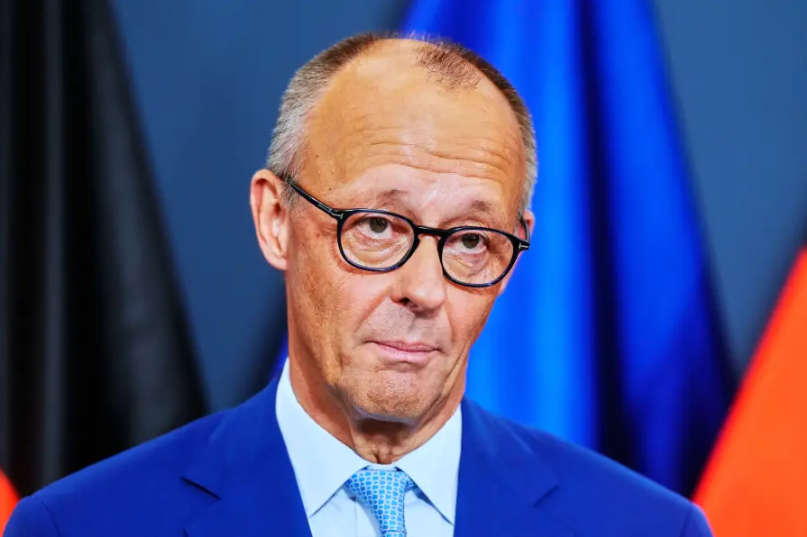 The End of The Road for Friedrich Merz? The Latest at the Polls in Germany
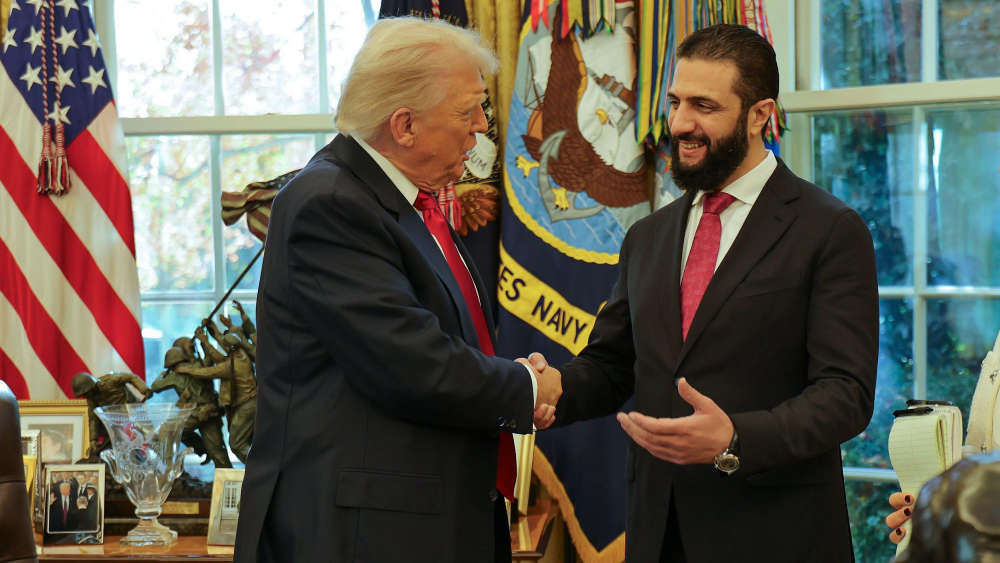 The re-defining of Syria on the world stage
 Four households insects that have helpful purposes!
 Three Contemporary and Compelling Cases of Extraterrestrial Life
 1950's aircraft founded more than half a century on
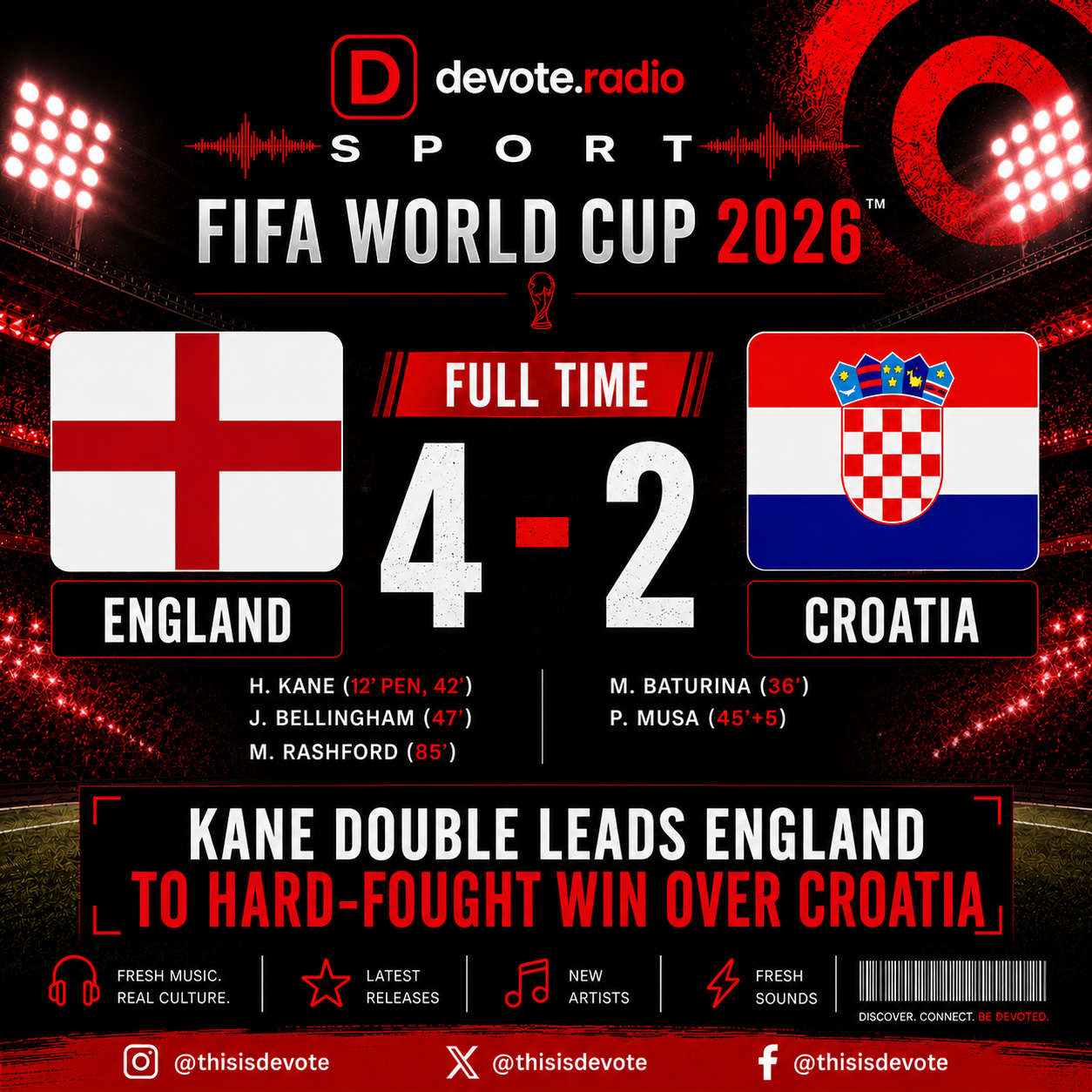 England 4-2 Croatia: Three Lions Make Winning Start To World Cup 2026