Amid a new period of instability in the Middle East, the removal of Syria from the US' list of state sponsors of terrorism alongside the sentencing of Ahmed Hassoun, may be shifting Syria's regional and global role.
The dynamic in the Middle East is shifting, and Syria is at the epicenter of this change.
The Middle East has been a region fraught with instability throughout the 21st Century, and prior, with states such as Afghanistan and Iraq experiencing invasion, famine and crises in Yemen and Gaza, and Lebanon and Iran deep-seated in conflict. The same can be said for Syria which, up until only two years ago, was a state engulfed in a civil war that had been raging within its borders since 2011. Syria has long been viewed by the West as a dangerous, militant and violent state with direct supporting ties to terrorist groups.
However, recent developments seem to be indicating a changing perception of the state, likely in response to the Iran-Israeli conflict currently ongoing in the region and a silent hope that Syria could become a mediating force in the Middle East.
The most recent headlines are focusing on the dissolution of the Syrian Democratic Force, or SDF, as it merges with the Syrian Army. This amalgamation of forces was part of a deal with Damascus as part of the re-stabalising of Syria post-conflict.
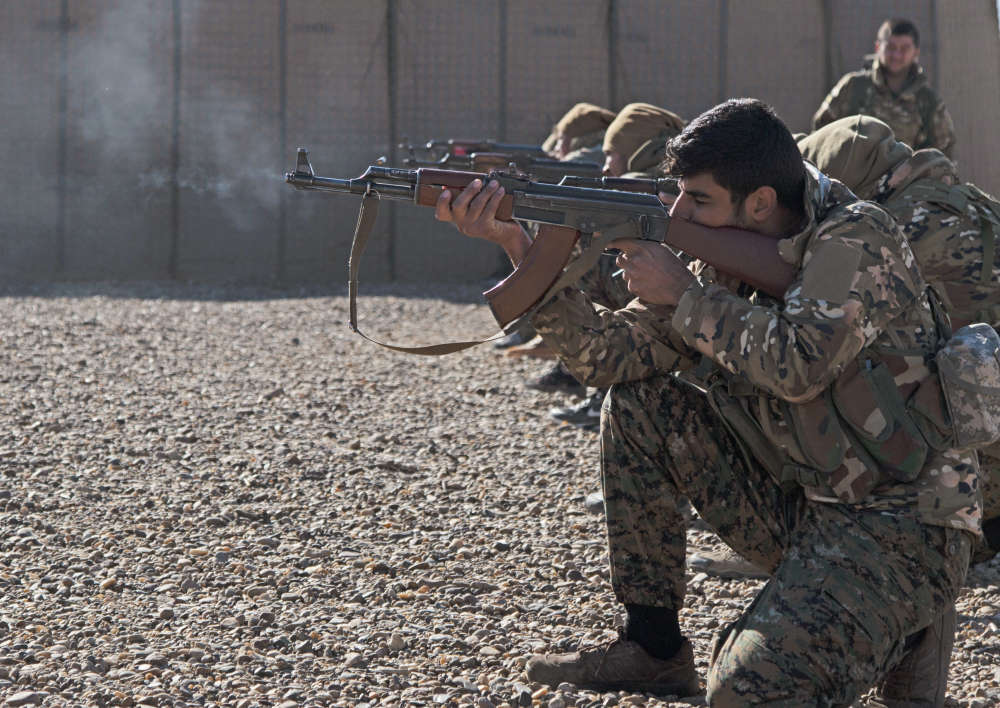
Syrian forces undertaking marksmanship training, 2019
The SDF were a Kurdish-led force of militants created at the very height of the Syrian Civil War in 2015. Thousands of the SDF controlled much of the northern region of the country, however, lost much of their territory after the Syrian Army launched an offensive in 2024, following the collapse of the Bashar al-Assad regime. Once that territory was lost, the deal to merge forces was reached, and the SDF - a symbol of the prior, violent regime tainted by civil war - ceased to exist.
However, this is not the only change Syria is willing to make in the name of reconstruction and new beginnings. In the courts, a change is being seen as well. On Monday 24th August, former grant mufti Ahmed Badreddin Hassoun was sentenced to life in prison by a court in Damascus, on convictions of exploitation of his senior position, incitement of civil war and sectarian strife, and incitement of intentional homicide, among others. In addition, his assets were seized.
Hassoun was a loyal member of Assad's regime, serving as grand mufti from 2005-2021 and being particularly close with Syria's former autocrat. He was often criticised for inciting violence through his statements, and being in clear support of the regime and their crimes. The arrest and charging of Hassoun is not the only one of its kind, however, as it follows nine other sentencings against Assad-era officials since April, as a result of a crackdown on the previous regime by the current government.
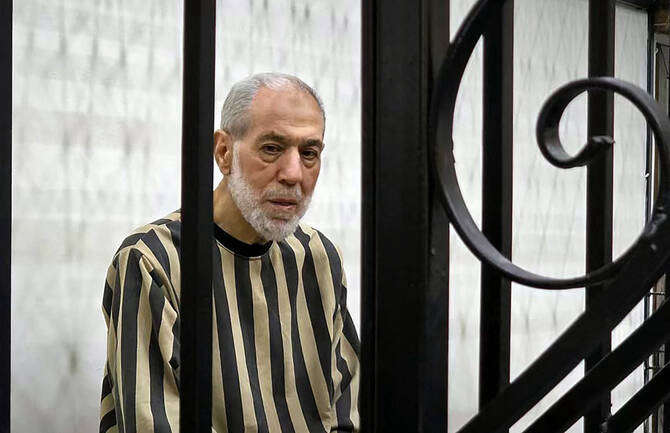
Ahmed Hassoun, 77, previous grand mufti 2005-2021, (2026)
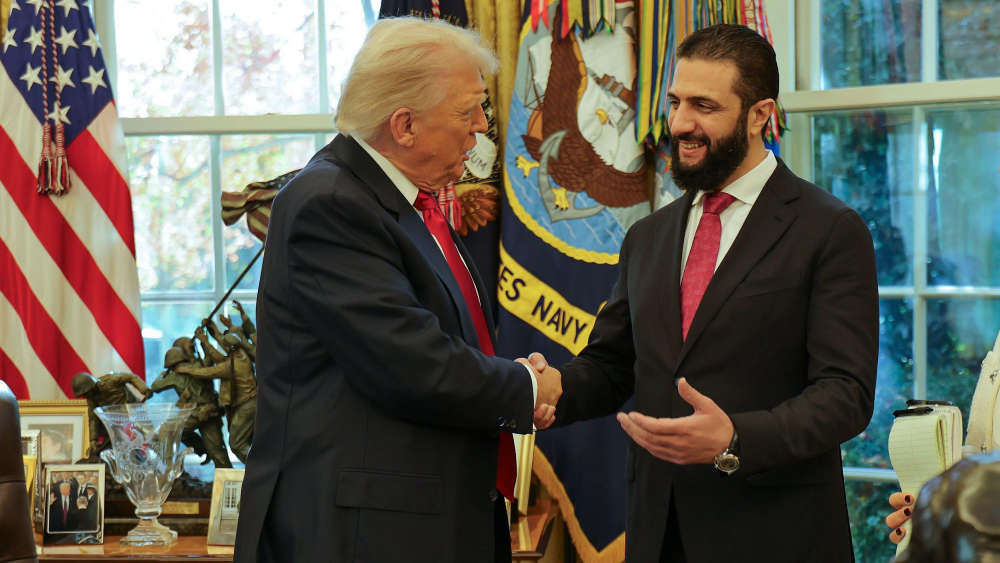
Perhaps one of the most significant developments has been the removal of Syria from the US list of state sponsors of terrorism. Happening only a day after Hassoun's conviction, the United States removed Syria from their list of state sponsors of terrorism this Tuesday, in what the White House has said they hope will lead the country down a path to prosperity. The change comes after a long 47 years on that list, and the Trump administration believes it will remove economic barriers that currently impact Syria's growth beyond its borders, now allowing it to invest in the private sector and re-integrate into the global economy.
In addition to this, the Islamist group Hayat Tahrir al-Sham (HTS), of which Syria's new president Ahmed al-Sharaa is the head, was removed from the US' list of global terror organisations. Having originated as an offshoot of al-Qaeda based in Syria, HTS severed ties with the terrorist group under Sharaa in 2016. The HTS was also the group that led the rebellion that overthrew Assad, and is now plays a significant role in the current administration.
The United States' sudden change in perception against a previously named terrorist group and state sponsor of terrorism doesn't come lightly, and whilst the nation has declared it to be in light of recent positive developments within Syria that move it away from the legacy of the Assad regime - of which there are many to celebrate - many have speculated that this move may have something to do with current conflict in the Middle East. Namely, the war in Iran, which began earlier this year with a jointly led Israeli-American offensive that led to the death of multiple senior officials, including the Ayatollah Ali Khamenei. The US may be hoping for Syria to act as a bridge between the nations, to facilitate peace talks and maintain neutrality and stability in the region, or even to take the side of the United States and provide them with a key ally in the region close to Iranian borders. Other have theorised this move by the US may be to bring Syria on side, in favour over Russia and China, the regional superpowers with previous good relations to Syria. Either way, having a reconstructing and hopeful Syria as a US ally may prove to be a positive development both in the Middle East, and globally.
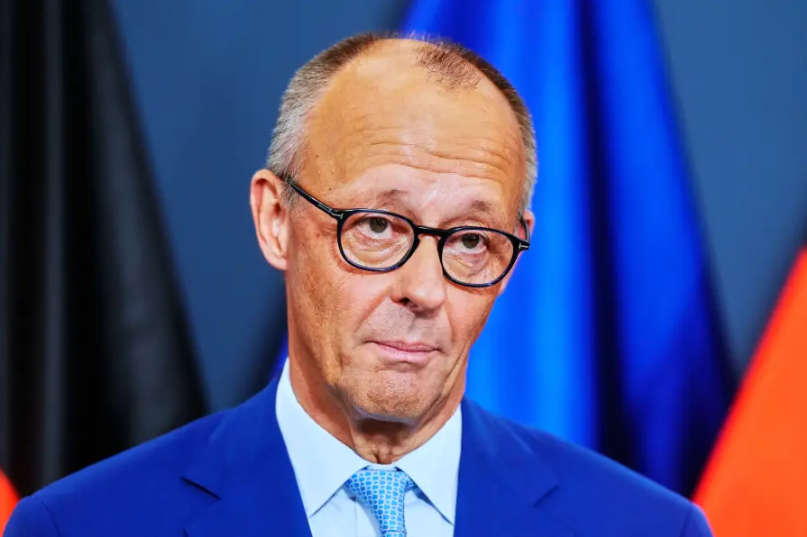 The End of The Road for Friedrich Merz? The Latest at the Polls in Germany
 Four households insects that have helpful purposes!
 Three Contemporary and Compelling Cases of Extraterrestrial Life
 1950's aircraft founded more than half a century on
 England 4-2 Croatia: Three Lions Make Winning Start To World Cup 2026
 Celebrity weddings occurring in 2026