


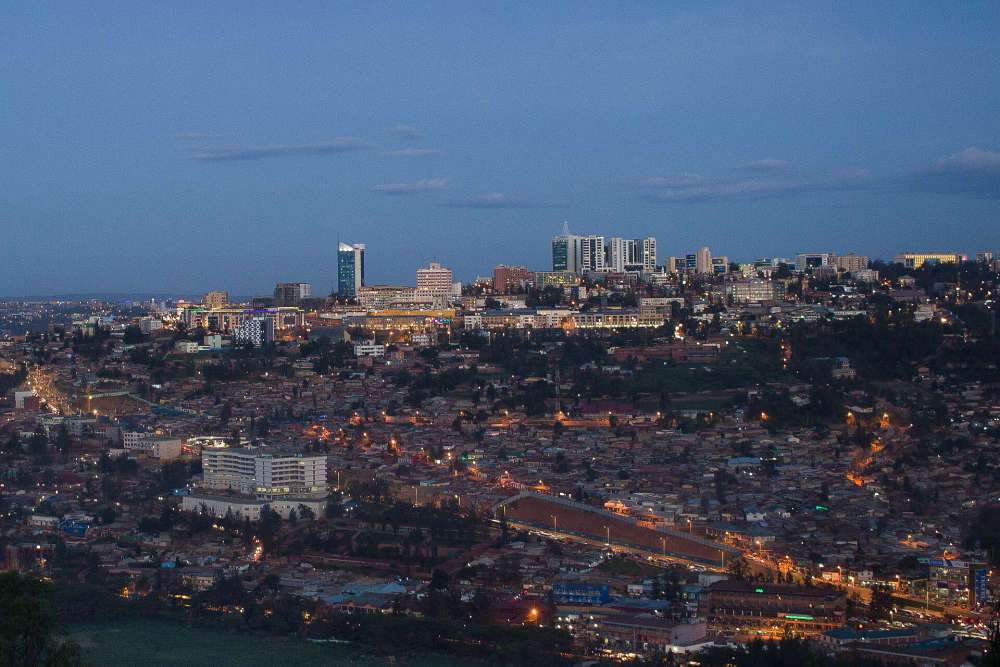
After over three decades without a race on the continent, Formula One is set to return to Africa following an announcement on Tuesday 13th October that a new Grand Prix will be held in Rwanda.
The East African nation has a 10-year agreement to host the African Grand Prix, with a new purpose-built venue near Rwanda’s capital, Kigali, being the host of the first Formula One race to take place in Africa since the 1993 South African Grand Prix.
The race, set to have its first edition sometime in the early 2030s, has been in the works for some time now, but why has it taken F1 so long to return to Africa and what can fans expect from the brand-new race?
What exactly was announced?
Formula One announced the return of the sport to Africa with a ceremony in the Rwandan capital of Kigali, disclosing the 10-year agreement between F1 and the Rwandan government.
The ceremony itself was attended by President Paul Kagame as well as Formula One President and CEO Stefano Domenicali and FIA President Mohammed Ben Sulayem.
The Grand Prix will take place at a new, purpose-built circuit in Bugesera, 25 miles south of Kigali, rather than a temporary street circuit on public roads, similar to races held at Monaco and Singapore.
The track design itself has not been finalised yet, but the circuit will need to meet FIA Grade 1 standards, the governing body’s highest circuit licensing classification which is required to host Formula One races.
There is no confirmed date beyond the early 2030s, with construction, final circuit design and FIA approval still to come.
The announcement of the deal comes after several years of negotiations and campaigning for a race to be held in Africa.
Why has Formula One chosen to go to Rwanda?
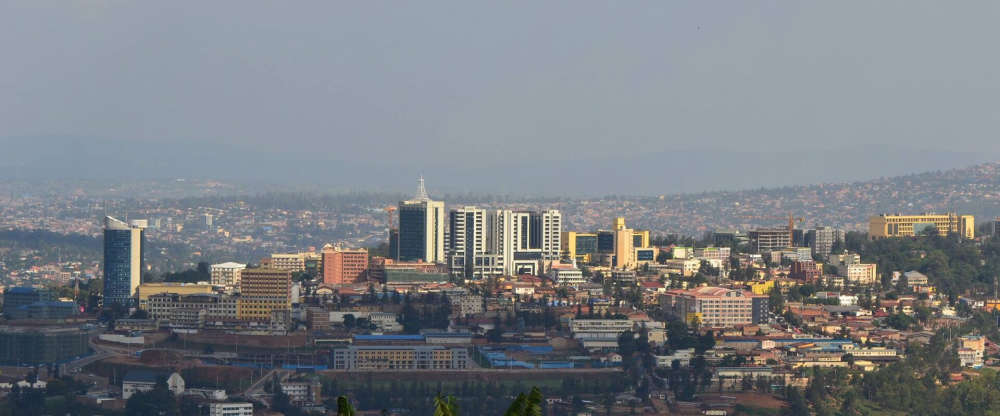
For the past few years, Rwanda has been establishing itself as a destination for major sporting events.
Formula One itself knows this, as the FIA Awards Ceremony in 2024 was held in the country as well as the UCI Road World Championships in 2025 and several international basketball events.
Rwanda publicly announced its intention to bid for a Grand Prix in December 2024, with the idea not just to host a race but also to create benefits economically and socially throughout the country.
Speaking at the announcement ceremony, President Paul Kagame said: ““This 10-year partnership is also an investment in Rwanda’s future.
“The circuit in Bugesera, alongside the new international airport, will bring jobs, skills, tourism and new business to our country and our region for decades to come, because our aim was never a single race weekend, but a lasting benefit for our people.”
For Formula One itself, having a race in Africa has been a long-term plan for a while, with F1 stating that 100 million fans already following the sport across the continent.
Expanding into the continent offers access to this large audience in a region that has lacked a Grand Prix during Formula One’s commercial expansion over the last decade.
How important is it that F1 is back in Africa?
When Rwanda hosts its first Grand Prix, Formula One will be hosting races in every inhabited continent on the planet.
Africa has been the “missing piece” from F1’s modern calendars for some time, despite numerous new additions to the calendar in Asia and North America.
Many have been advocating for the sport to have an event take place on the continent, chief amongst them being seven-time world champion Lewis Hamilton, who has repeatedly voiced his opinion that Africa deserves a landmark F1 race.
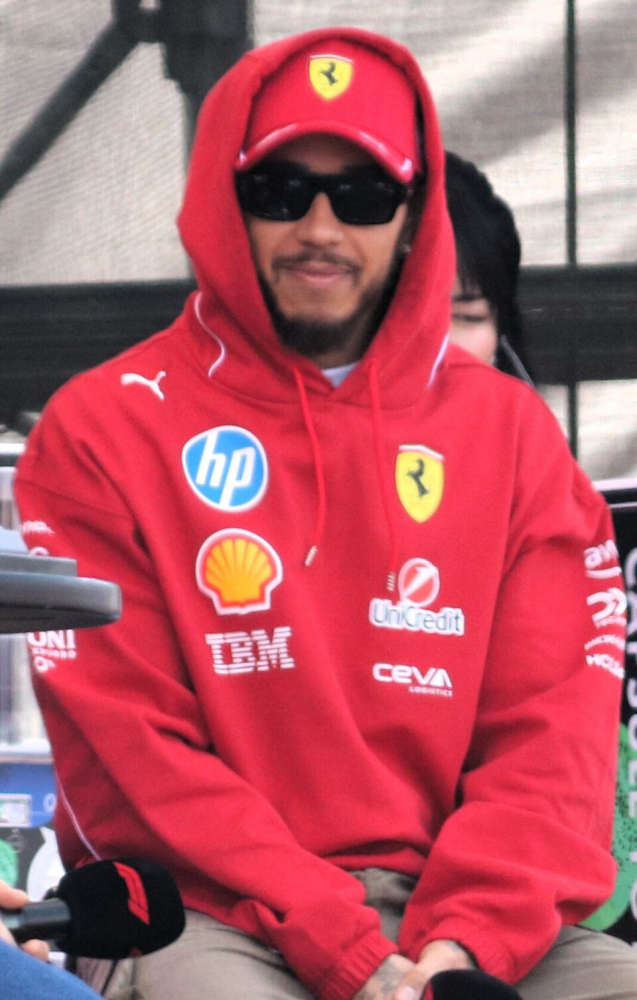
The Briton has claimed to have been pushing behind the scenes for six to seven years to see a Grand Prix come to Africa.
With the announcement on Tuesday, it will mark the first time a World Championship race will be held in Africa since 1993.
What is F1’s history in Africa?
Despite not hosting a Formula One Grand Prix in the 21st Century, Africa does have a considerable history with the sport.
Africa’s involvement in F1 dates all the way back to 1958, with the Moroccan Grand Prix at Ain-Diab.
The next African nation to host a World Championship race was South Africa, first hosting the South African Grand Prix as part of Formula One in 1962, moving to the Kyalami circuit near Johannesburg in 1967.
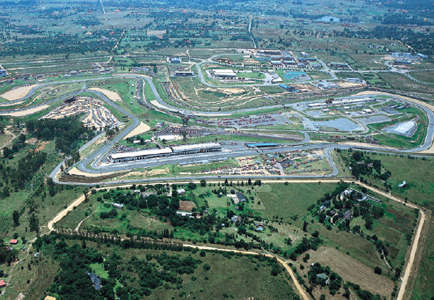
A total of 20 editions of the event were held from 1967 to 1993, with South African Jody Scheckter winning his home race in 1975.
Notably, Scheckter would go on to make history in 1979, becoming the first and only African driver to win the World Drivers' Championship, taking the title for Ferrari.
However, the event faced notable opposition due to South Africa's apartheid regime during the 70s and 80s, causing the event to be removed after 1985.
When the apartheid was being dismantled, the Grand Prix returned in 1992, only for financial difficulties of hosting the event to lead to its removal the calendar for good the following year.
Could we see more races in Africa?
Potentially, as there has been considerable interest from South Africa to host a Grand Prix at Kyalami once again.
It was not stated during the announcement on Tuesday that Rwanda’s agreement ruled out other African nations hosting Grand Prix, so there is still hope for South Africa.
The Kyalami circuit will need some investment and upgrades in order to bring the facility in line with FIA requirements, with upgrades being proposed in June 2025.
South African Minister for Sport Gayton McKenzie even boldly claimed that “SA will get F1, even before 2030”, in an X post made in the days leading up to the Rwanda announcement.
Has there been any controversy surrounding the announcement?
Tuesday’s announcement will likely renew accusations towards Rwanda of sportswashing, improving the nation’s global image through hosting prestigious sporting events.
Similar criticism was drawn when football club Aston Villa announced a sponsorship deal with Visit Rwanda back in July.
Many human rights organisations have cristicised President Kagame's restrictions on politcal opression and freedom of expression in the country, as well as alleged involvement with the conflict in the Democratic Republic of Congo.
Upon the announcement, human rights campaigners Amnesty International released a statement, saying: "A 10-year Grand Prix 'presented by Visit Rwanda' is a sportswashing prize for the Rwandan authorities.
"Formula One says sport can be 'a positive force for good'. That rings hollow if F1 shrugs off who it is partnering with.
“Rwanda's authorities are prolific in arbitrary detention, torture and the repression of free speech – these are abuses at home."
Formula One and the Rwandan government have emphasised the potential economic and social benefits of hosting the Grand Prix, including increased tourism, investment and employment opportunities.
With the Grand Prix set to join the calendar in the early 2030s, there will be plenty of time to see how the development of the race will take shape in the future.
 Wolves travel to Bristol City looking to continue strong form
 This week in sport: Manchester derby controversy, Zverev wins US Open and Werro beats Hodgkinson
 Wolves sign promising young striker Sean Neave on season-long loan
 England vs Ghana: Confirmed England Line-Up as Three Lions Target Knockout Stage
 England 4-2 Croatia: Three Lions Make Winning Start To World Cup 2026
 Women's Olympics to be limited to biological females only






Comments
Add a comment