

Bangladesh’s ousted prime minister Sheikh Hasina has been sentenced to death in absentia, after a tribunal found her guilty of crimes against humanity.
These crimes were linked to the brutal suppression of last year’s student-led uprising.
The verdict, delivered on Monday, marks one of the most dramatic political reversals in the country’s history.
The ruling was handed down by Bangladesh’s International Crimes Tribunal, which concluded that Hasina authorised lethal force against protesters during the 2024 quota reform movement — a wave of unrest that spiralled into nationwide demonstrations calling for democratic reforms and government accountability. Prosecutors argued that security forces, acting under her direction, used drones, helicopters and live ammunition against crowds, leading to mass casualties and what judges described as “widespread and systematic attacks on civilians.”
Hasina, who was ousted from power in August 2024 and fled to India shortly after, did not appear in court. The tribunal also issued a death sentence for her former home minister, Asaduzzaman Khan Kamal. A former police chief who agreed to testify for the prosecution received a reduced five-year sentence, with judges noting his cooperation in establishing how the crackdown unfolded.
For many survivors and families of victims, the verdict was met with emotional scenes outside the courtroom, where crowds gathered to welcome what they described as long overdue justice. The country’s interim government, led by Nobel laureate Muhammad Yunus, praised the tribunal’s findings, calling the judgment “a milestone for accountability” and insisting that no individual — including a long-serving premier — should be immune from the rule of law.
The ruling is, however, already stirring international concern. Human-rights organisations and UN officials have questioned whether the death penalty is appropriate in a case so deeply intertwined with national politics. Several observers have also pointed to longstanding criticism of Bangladesh’s war-crimes tribunals, warning that even legitimate prosecutions risk becoming overshadowed by questions of due process.
Hasina’s absence remains a central issue. Bangladesh has formally requested her extradition from India, but New Delhi has not indicated whether it will comply. Her Awami League allies, now scattered and weakened after last year’s upheaval, have condemned the verdict as politically motivated, insisting that the former premier will appeal. With Hasina overseas and diplomatic tensions rising, it is unclear whether the sentence will ever be carried out.
Sheikh Hasina governed Bangladesh for fifteen consecutive years before her downfall, presiding over major economic expansion while also drawing criticism for increasingly authoritarian rule and suppressing dissent. The 2024 protests, initially sparked by anger over civil-service job quotas, escalated into one of the bloodiest political moments in the country’s modern history, with hundreds feared dead in clashes between students and state forces.
Monday’s judgment now opens an uncertain chapter for Bangladesh. While supporters of the tribunal say the decision marks a turning point for justice and accountability, critics fear it may deepen political fractures and spark further unrest. As Bangladesh prepares for a new election cycle and attempts to rebuild after months of instability, the fallout from Hasina’s conviction is likely to shape the country’s political landscape for years to come.
 Joan Jett and the Blackhearts blazing Glasgow's stage
 The Winter Olympic and Paralympic Games of 2026
 Diddy denies sexual battery allegation as Los Angeles authorities open investigation
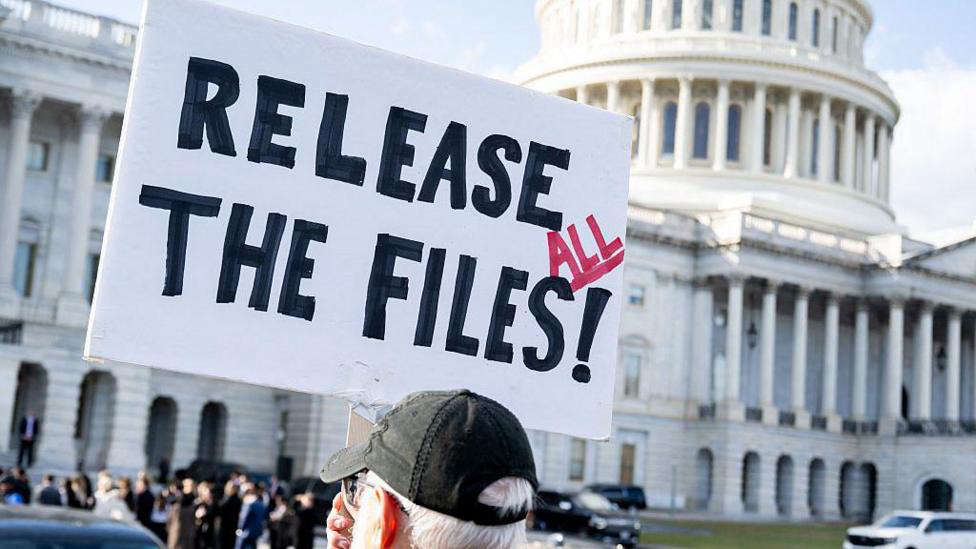 Trump Backs Release of Epstein Files as Feud with Marjorie Taylor Greene Explodes
 Man who grabbed Ariana Grande at Singapore premiere jailed
 YouTuber Jack Doherty Arrested in Miami on Drug Possession