

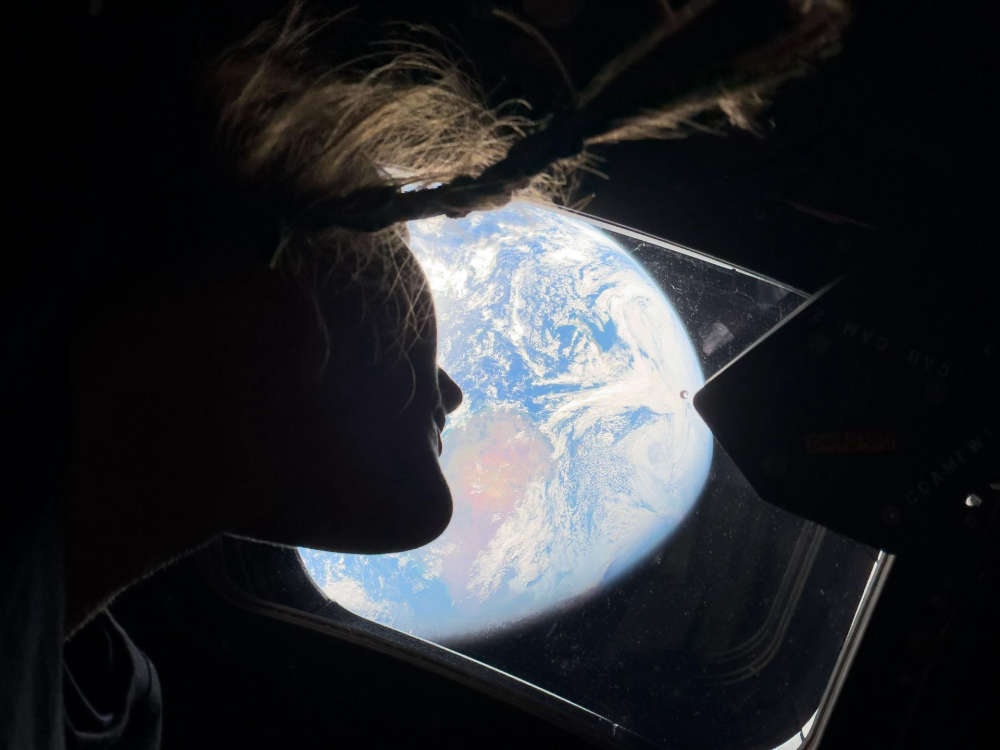
Earlier this month, the Orion spacecraft successfully lifted off from Kennedy Space Centre, destined for the Moon. Artemis II is the first manned mission to space since the Apollo missions of the last century concluded.
Return to the Moon
On the 1st of April 2026, the Orion spacecraft successfully lifted off from Kennedy Space Centre in the United States, carrying the manned mission Artemis II consisting of four astronauts out of Earth’s atmosphere, and bound for the moon. Today, on the 6th of April, the mission completed their lunar flyby, disappearing around the far side of the moon and marking the furthest distance travelled by humans away from planet Earth.
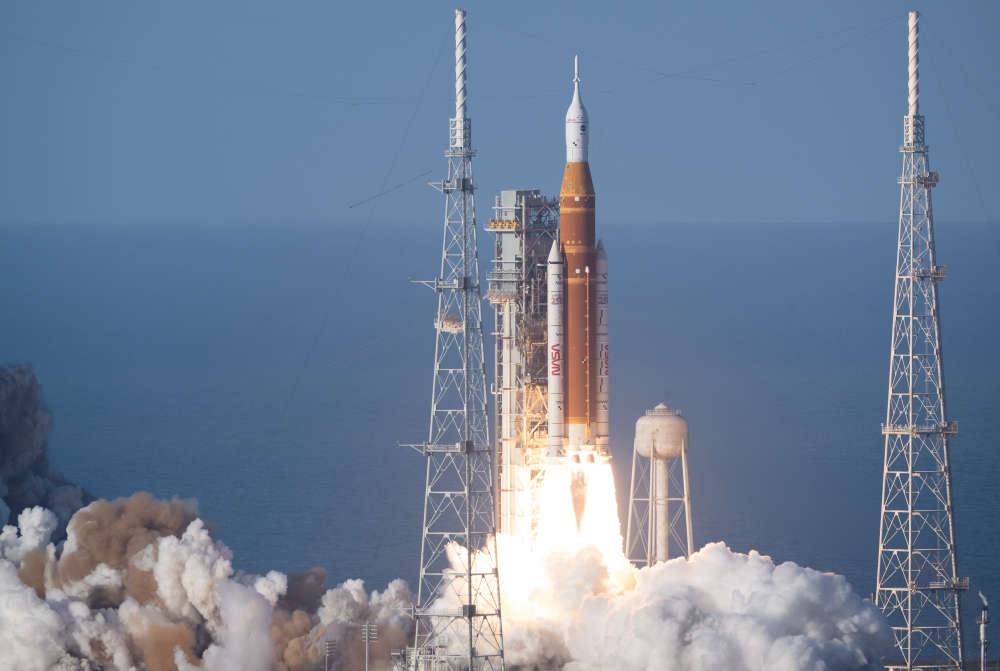
Orion Spacecraft lifts off from Kennedy Space Centre, United States, on the 1st April (NASA).
As the crew of the Orion spacecraft make their way back home to planet Earth, the scale of the mission’s achievement and the context of the mission are worth reflecting on. NASA announced the Artemis programme back in 2019, with the original goal of landing humans on the moon by 2024. While this has unfortunately not come to pass, the sheer achievements of this Moon exploration programme cannot be understated. In 2022, the Artemis I mission saw an unmanned Orion spacecraft orbit the moon, and only four years later in 2026, we have Artemis II - the first manned mission to the Moon’s orbit since the Apollo 17 mission in 1972, the last lunar landing as of today.
Purpose of the Artemis Programme
So the overarching question is - why? Why return to the Moon after so long, and what is the goal?
The Artemis missions comes almost 50 years after the conclusion of the Apollo programme of the previous century. Notably, the name ‘Artemis’ is taken from the Greek goddess of the Moon, and twin sister to Apollo. However, far from being a re-do of the Apollo missions, Artemis intends to go further.
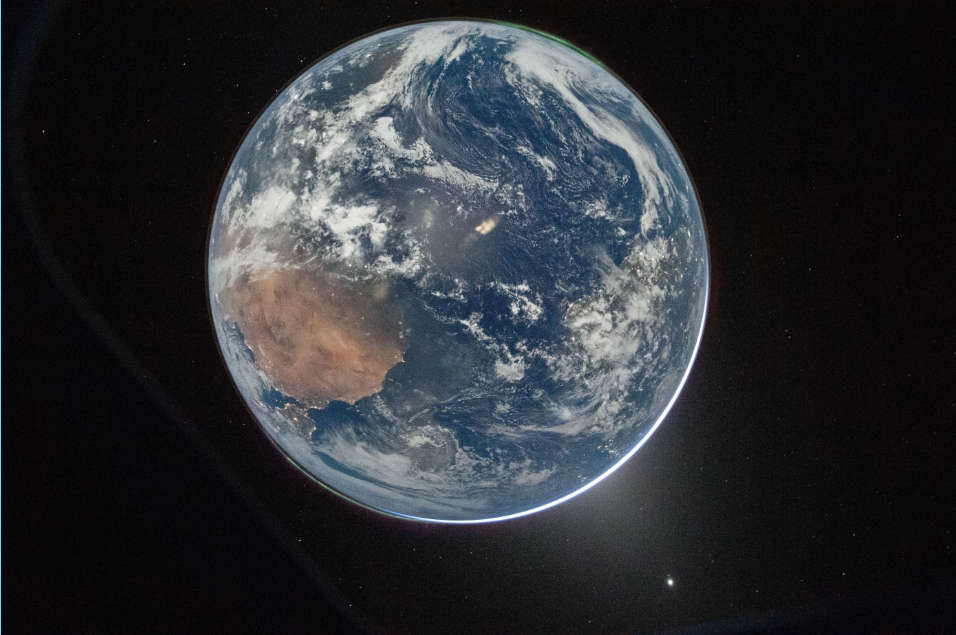
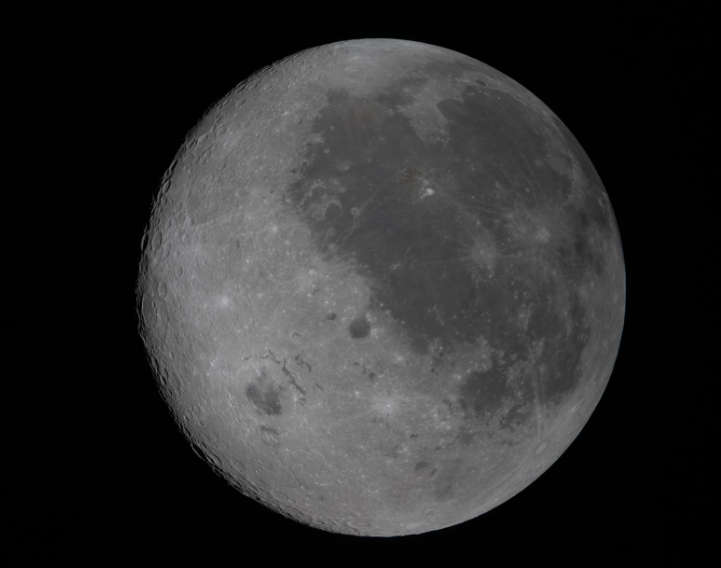
Side by side - the Earth and the Moon captured by the crew of Artemis II from the Orion spacecraft.
The Natural History Museum article by Emma Caton outlines that “NASA’s ambitious Artemis programme aims to build the first lunar space station, so we can study the Moon like never before”. Where Apollo’s primary mission was to land humans on the surface of the moon, its aptly named successor strives to go further, not only returning humans to deep space, but to establish a base of operations on the Moon to facilitate both closer study and to bring us closer to the exploration of Mars.
Caton also explains that our return to the Moon has much to do with furthering our knowledge about both the Moon and the Earth itself, as we can build upon the sample and knowledge collected from the Apollo missions. There appears to be a greater focus on the far side of the Moon and its polar regions, which went under-explored the last time human beings landed on the Moon.
Further Artemis missions are planned, with missions III - V aiming to land humans on the Moon and begin laying the foundations for the construction of a lunar base in addition to a lunar space station, appropriately named ‘Gateway’.
The ‘Stars’ of Artemis II
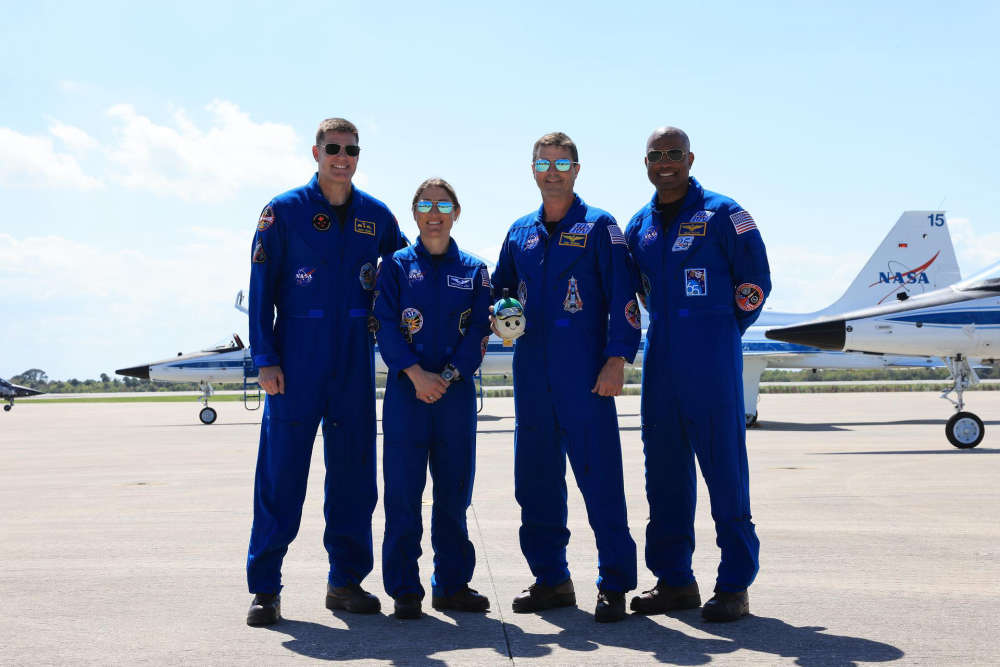
The crew of the Orion for the Artemis II mission (left to right) Mission Specialist Jeremy Hansen (Canadian Space Agency), Mission Specialist Christina Koch (NASA), Commander Reid Wiseman (NASA) and Pilot Victor Glover (NASA).
But before we once again set foot on the lunar surface, the Artemis II flyby mission is a monumental achievement. The mission’s ten-day schedule reached its climax today, on the 6th April 2026, when the crew of the Orion spacecraft reached the furthest distance from Earth ever travelled to by humanity. After reaching a record-breaking 252,756 miles from Earth, the Orion conducted a full flyby around the Moon’s far side, which saw communications between the crew and Houston drop from approximately 40 minutes.
As of today, the longest part of their journey is over, and the Artemis II mission crew are making their way back to Earth.
The crew of the Orion spacecraft is four-strong; piloted by astronaut Victor Glover are mission specialists Christina Koch and Jeremy Hansen, and Commander Reid Wiseman. Throughout their time in space, the crew have conducted lunar observations including the witnessing of an ‘Earthrise’ and ‘Earthset’, and photographed the far side of the moon, in addition to photographing the Earth from their other-wordly perspective.
Amongst these tasks, the crew marked the historical mission by naming a newly-discovered crater on the Moon’s surface after the mission Commander Wiseman’s late wife and mother of his children, Caroll, who died of cancer in 2020.
A second newly-discovered crater was named after the craft, to commemorate the first manned mission in more than five decades.
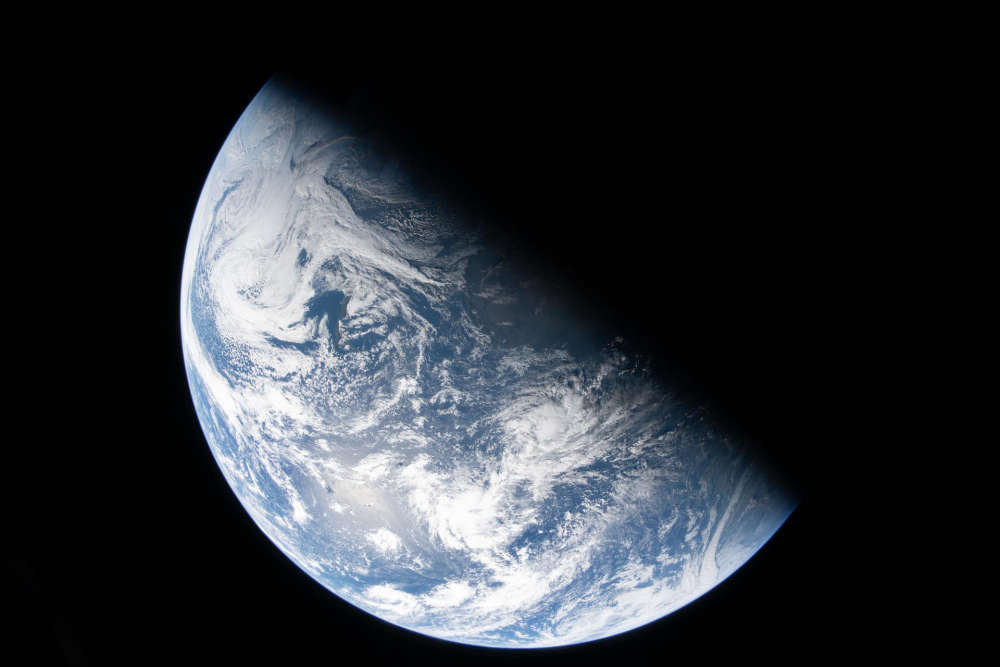
View of Earth from Orion, partially obscured by the 'Terminator Line', the boundary between the illuminated 'daytime' side of a planet and its dark 'night-time' side. (NASA)
 Women's Olympics to be limited to biological females only
 President Trump makes reference to Pearl Harbour Attack in meeting with Japanese PM
 Joan Jett and the Blackhearts blazing Glasgow's stage
 The Winter Olympic and Paralympic Games of 2026
 Diddy denies sexual battery allegation as Los Angeles authorities open investigation
 Ousted Bangladesh leader Sheikh Hasina sentenced to death