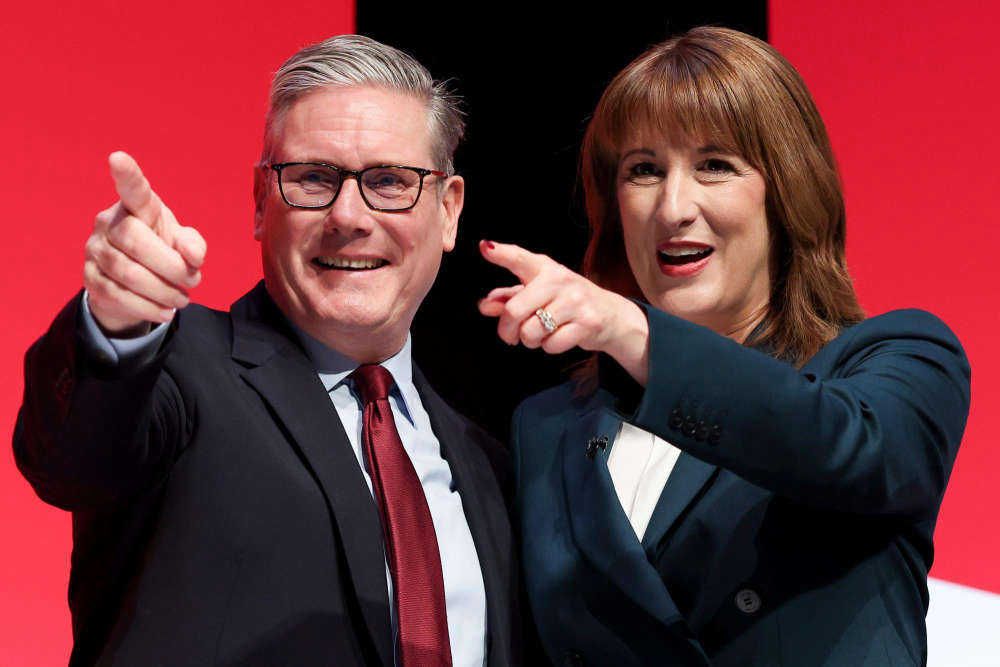
Rachel Reeves has abandoned plans to raise income tax in this month’s Budget, easing fears of a manifesto breach but prompting fresh questions over how Labour will fill a major hole in the public finances.
The move has triggered political relief – and economic jitters.
The Chancellor of the Exchequer confirmed on Friday that the government will no longer pursue an income tax hike, following weeks of speculation that she might raise the basic rate to help meet tough fiscal rules. The reversal comes after updated forecasts from the Office for Budget Responsibility reportedly gave the Treasury slightly more flexibility than anticipated.
The income tax proposal – rumoured to be a 2p rise in the basic rate paired with a National Insurance cut – had faced mounting pushback from Labour MPs, who warned it would hit working families and risk breaking Labour’s pledge not to raise taxes on “working people”.
Markets react nervously
Financial markets shifted almost immediately after reports of the U-turn emerged.
Sterling dipped and UK gilt yields rose, reflecting investor concern about how Reeves now intends to balance the books without the most straightforward revenue-raising option.
Analysts say the government still faces a £30–£40bn fiscal gap, and dropping the income tax plan has fuelled doubts over whether Labour can meet its debt and deficit rules without significant spending cuts or alternative tax increases.
What comes next?
Attention has rapidly turned to other tax measures under consideration.
A possible levy on high-value homes is now being explored, alongside reforms to property bands and wealth-based taxation. These alternatives would allow Reeves to keep her manifesto wording intact while targeting those “with the broadest shoulders”.
Experts also expect a range of smaller, “stealth” measures to appear in the Budget – from tightening reliefs and allowances to continuing freezes on tax thresholds.
Political fallout
Inside Westminster, Labour MPs have privately welcomed the decision to rule out an income tax rise, viewing it as crucial for maintaining trust with voters. But opposition parties have branded the shift a sign of “economic chaos”, accusing the government of mixed messaging and spooking markets with policy reversals.
With the 26 November Budget now just a week away, the Chancellor faces mounting pressure to set out a clear path to balancing the books.
The question is no longer if taxes will rise – but where Reeves chooses to aim them.
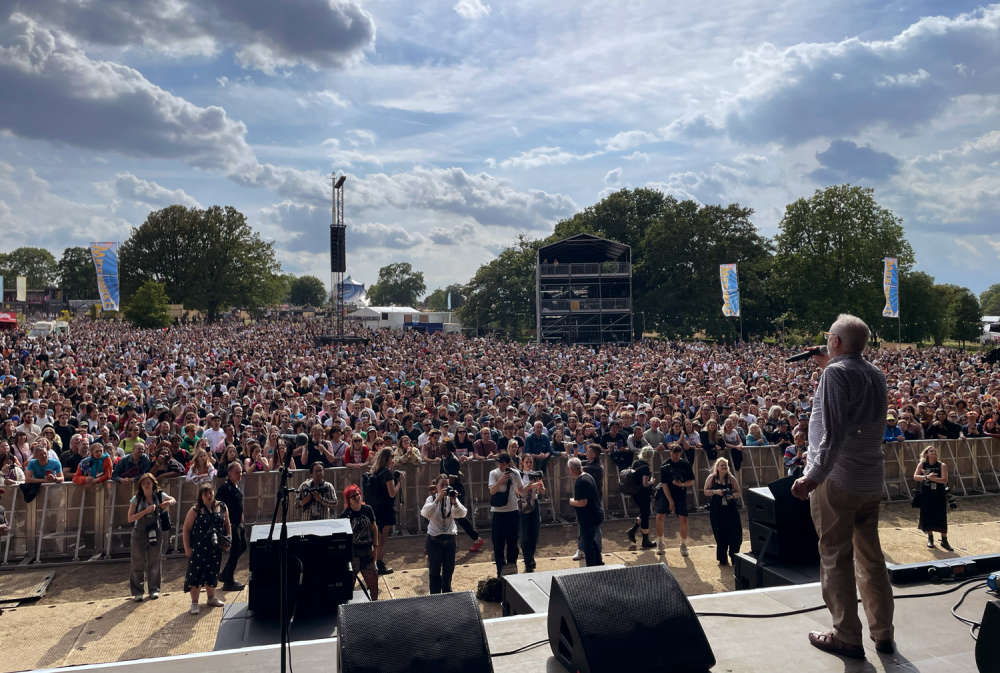 New party founded by Corbyn adopts Your Party as name
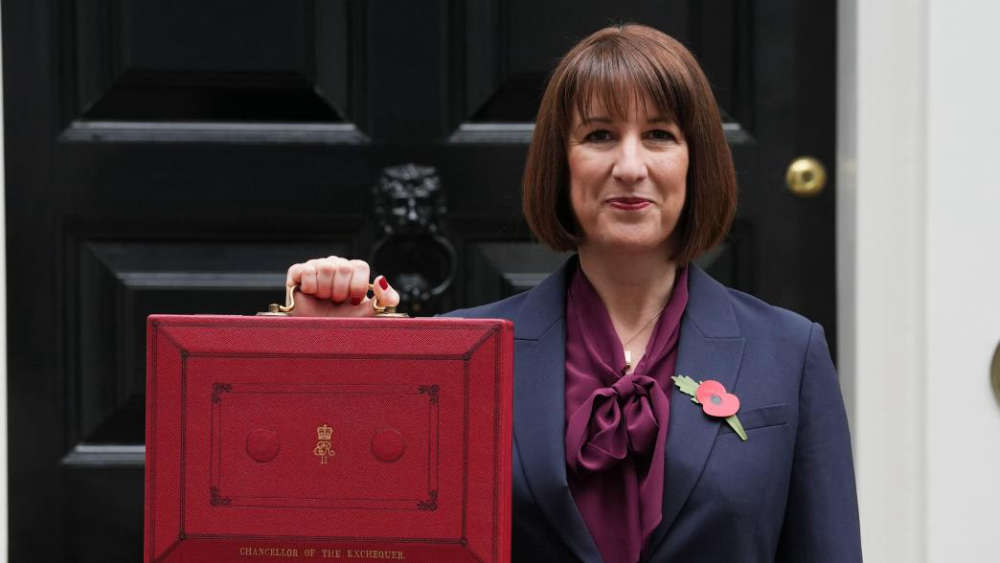 Reeves delivers 2025 Autumn Budget — sweeping tax rises and cost-of-living relief
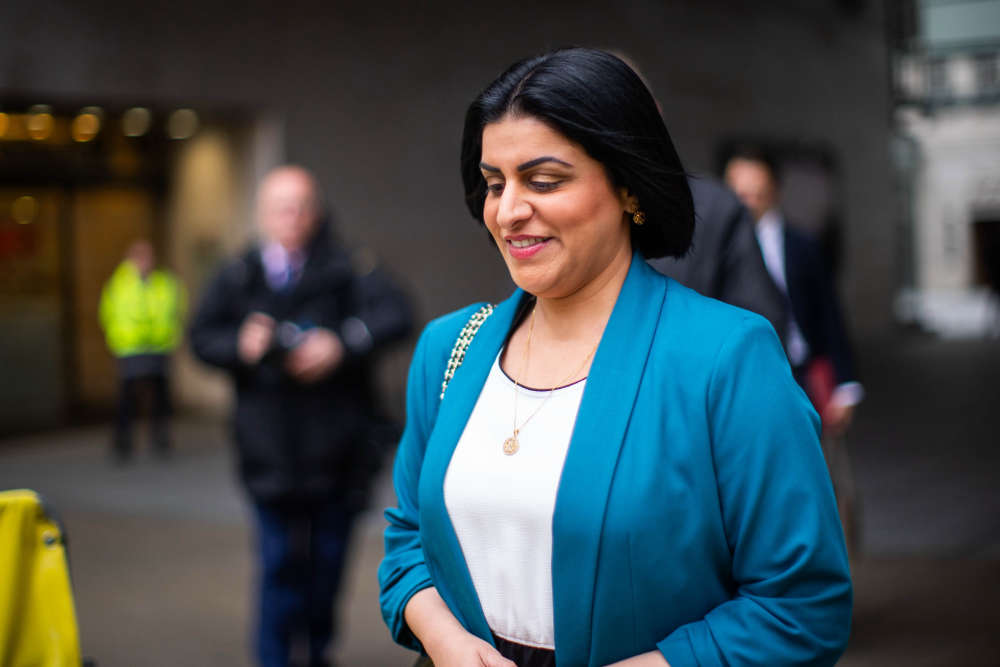 Home secretary signals overhaul of policing structure in England and Wales
 Russian spy ship pointed lasers at RAF pilots tracking it
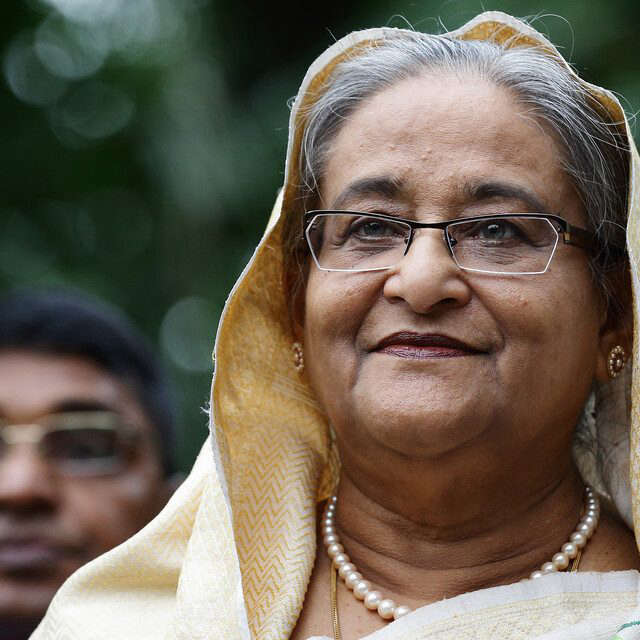 Ousted Bangladesh leader Sheikh Hasina sentenced to death
 Trump Backs Release of Epstein Files as Feud with Marjorie Taylor Greene Explodes