
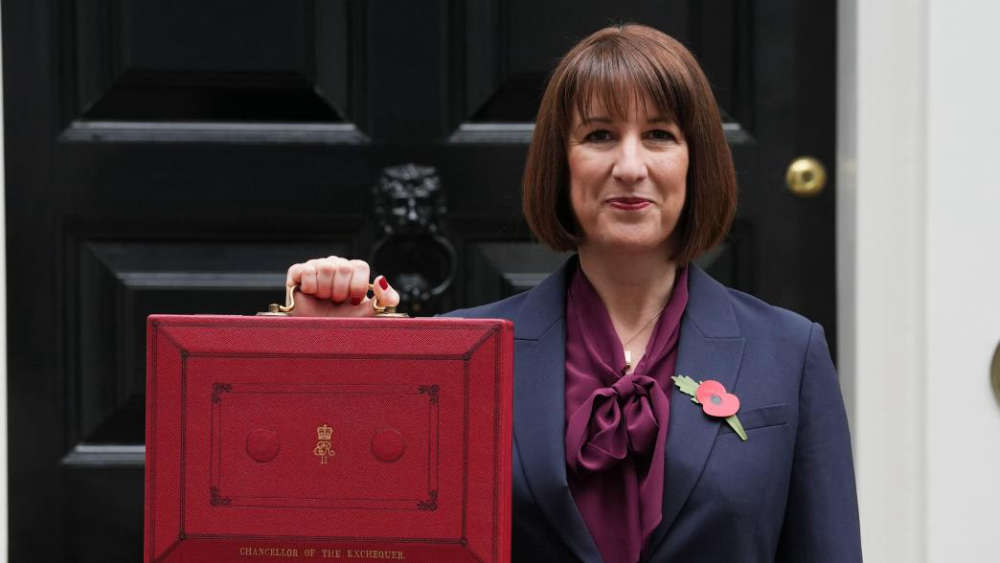
In a much-anticipated Budget statement, Chancellor Rachel Reeves unveiled a mix of substantial tax increases and measures aimed at easing the cost of living and supporting public services — describing it as “a Budget for fair taxes, strong public services, and a stable economy.”
Major tax changes — raising £26 billion
- The Budget will raise approximately £26 billion through tax measures by the end of the Parliament, as the government seeks to plug a growing fiscal gap.
- Key changes include extending a freeze on income-tax and National Insurance thresholds for at least three more years — up to 2030/31 — which will push many more people into higher tax bands as wages rise.
- The so-called “mansion tax”: a new high-value council-tax surcharge will apply to properties over £2 million, starting at £2,500 a year and rising to £7,500 for homes worth over £5 million (with annual inflation uprating).
- Taxes on dividend, savings and property income will be increased by two percentage points each.
According to government documents, the overall tax burden is expected to hit an all-time high as a share of GDP within the forecast horizon.
Cost-of-living and public service support
- To help households, the Budget scraps certain “green levies” and delivers what the Treasury estimates will amount to a £150 annual reduction in average energy bills from April next year.
- Key living-cost relief measures: a freeze on regulated rail fares and on prescription charges in England.
- The Budget also includes welfare reforms, including the removal of the two-child benefit cap — a move expected to lift around 450,000 children out of poverty.
- On the public services front: the government plans to build 250 new “Neighbourhood Health Centres” and points to 5.2 million additional NHS appointments delivered since the start of the Parliament, aimed at cutting waiting lists.
Reaction: Relief and alarm in equal measure
The Budget has drawn sharply contrasting responses. Supporters argue the tax rises are a necessary burden to safeguard public services, reduce waiting lists, and tackle inequality. Critics, however, warn that the freeze on tax thresholds acts as a stealth tax — disproportionately affecting working and middle-income households as inflation pushes nominal wages up.
Some economists have expressed scepticism too: the independent Office for Budget Responsibility (OBR) — whose forecasts were accidentally leaked before Reeves’s speech — has reportedly warned that “none of the measures” in the Budget will “have a material effect” on long-term growth.
Yet, the government insists the Budget balances immediate relief for households with long-term fiscal responsibility. In her Commons address, Reeves argued the tax increases are necessary to rebuild what she described as fragile public finances, while protecting essential services.
Looking ahead
As the dust settles, the challenge for the government will be navigating the fallout of these “stealth” tax increases — particularly the threshold freeze and wealth taxes — while delivering on its pledges to ease living costs and improve public services. How households respond, and whether the moves dampen growth or increase discontent, remains to be seen.
For now, Britain enters a new fiscal era — one where the burden sits heavier than ever, and where the trade-offs between fairness, growth, and public welfare will define the years ahead.
 New party founded by Corbyn adopts Your Party as name
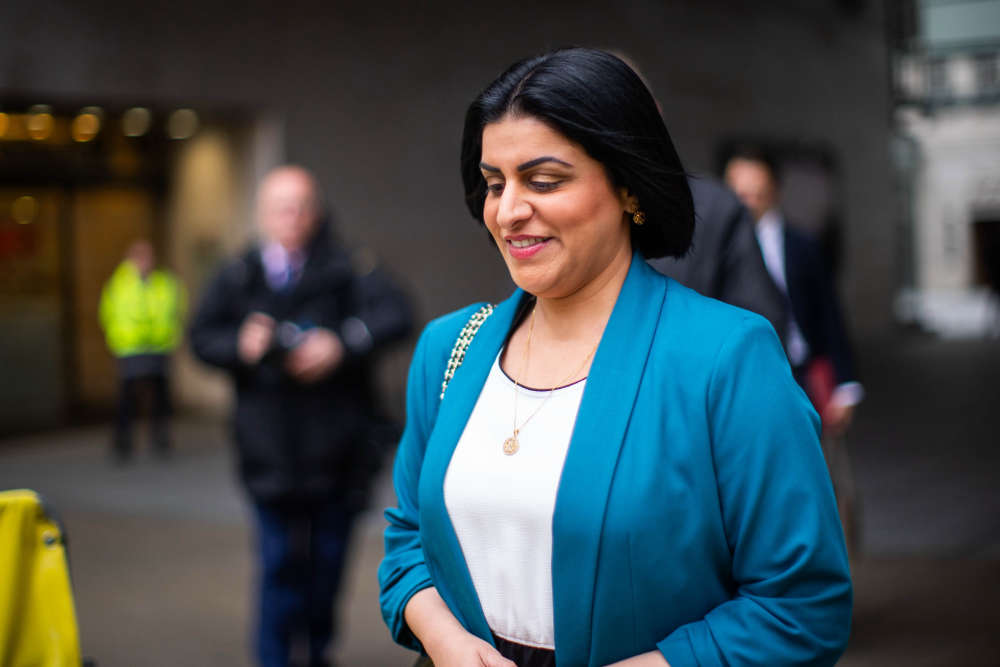 Home secretary signals overhaul of policing structure in England and Wales
 Russian spy ship pointed lasers at RAF pilots tracking it
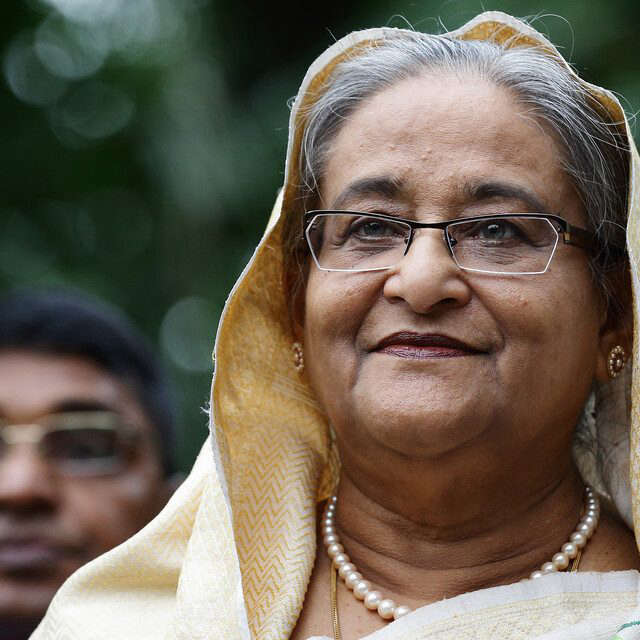 Ousted Bangladesh leader Sheikh Hasina sentenced to death
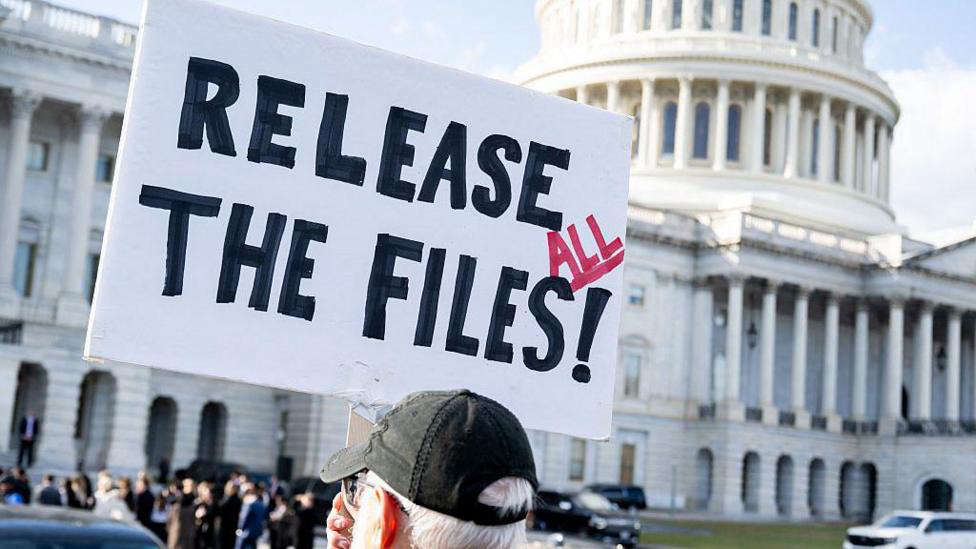 Trump Backs Release of Epstein Files as Feud with Marjorie Taylor Greene Explodes
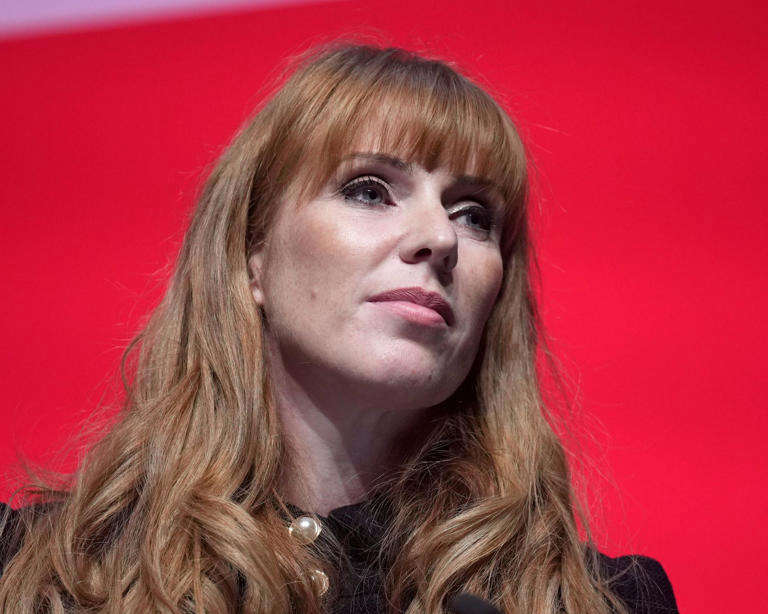 Angela Rayner declines to rule out running for Labour leader as she condemns infighting