
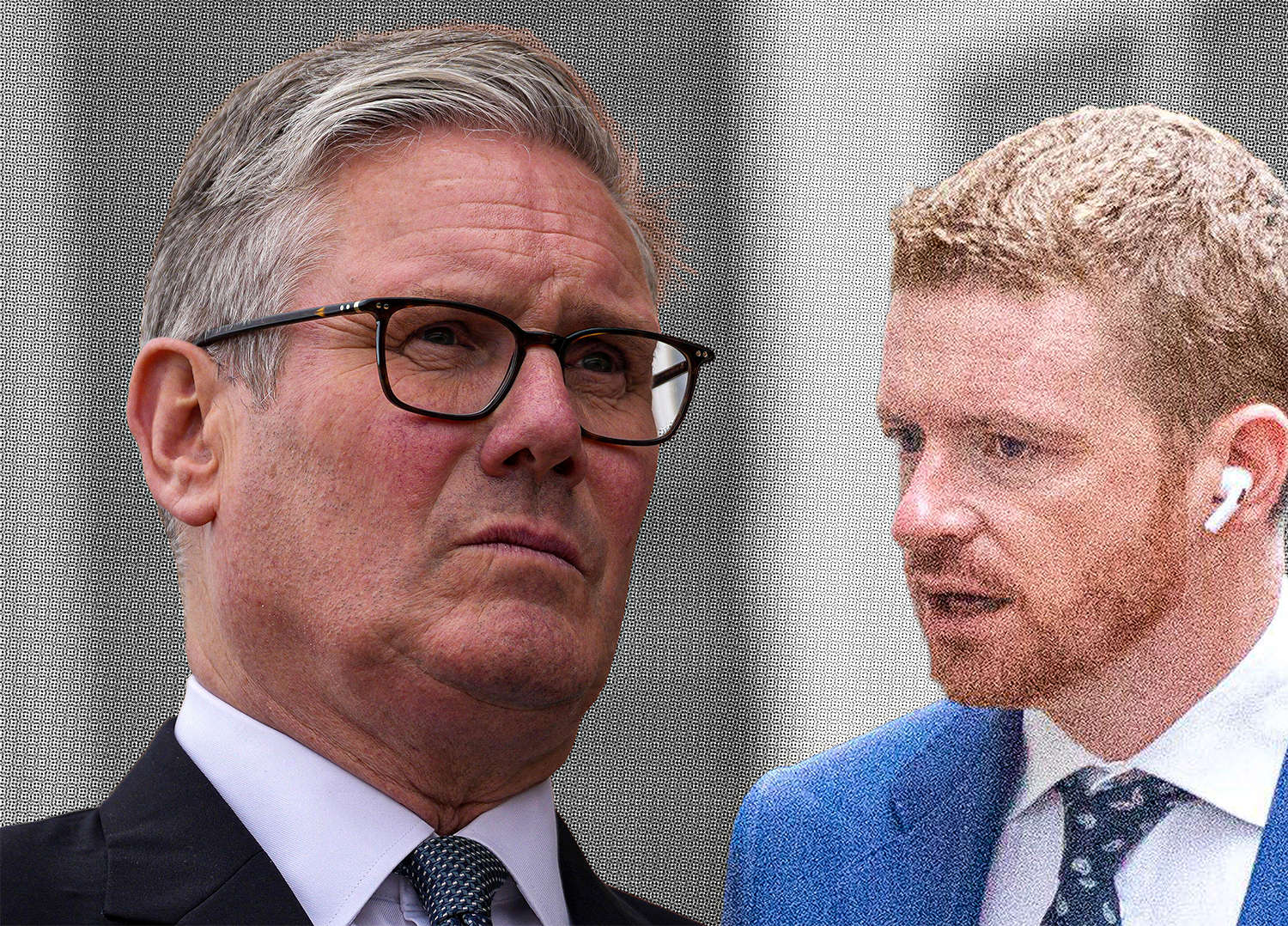
Morgan McSweeney — one of the most influential figures in modern Labour politics — has found himself thrust into the spotlight this week, as a row over alleged unauthorised briefings inside No 10 threatens to overshadow the government’s message of stability and professionalism.
McSweeney, 48, is no stranger to the inner workings of the Labour movement. Born in Ireland and raised in Leicester, he rose through the party’s organising ranks before running Keir Starmer’s successful 2020 leadership campaign. Once Starmer took charge of the party, McSweeney became a central architect of Labour’s strategy, messaging, and internal direction. When Starmer entered Downing Street in 2024, he rewarded his long-time strategist with the most senior advisory position in government: Chief of Staff to the Prime Minister.
Over the past several years, McSweeney has been one of Starmer’s closest political allies — a key adviser credited with professionalising Labour’s operation and steering it away from factional infighting. But this week, that reputation has been tested.
At the heart of the emerging controversy are claims of unauthorised anonymous briefings aimed at undermining Health Secretary Wes Streeting. Reports circulated that Streeting was positioning himself for a future leadership run, prompting a wave of speculation about rifts at the top of Labour’s newly-formed government. The briefings were swiftly denounced by Starmer, who called such behaviour “completely unacceptable” and insisted that ministers must be free to do their jobs without internal political sabotage.
Downing Street sources insist the Prime Minister was “assured” that the briefings did not come from No 10 staff — but many Labour MPs remain unconvinced, pointing to McSweeney’s central role in managing political operations behind closed doors. Some MPs, particularly those aligned with Streeting, have publicly questioned the atmosphere inside Starmer’s team, arguing that the Chief of Staff’s office exerts too much power and fuels factional tension.
Despite the pressure, Starmer has stood firmly behind his top adviser. Asked directly whether he still had confidence in McSweeney, the Prime Minister was unequivocal: “Of course I do.” He also defended his senior team’s integrity, suggesting the leaks may have come from elsewhere within the party and reiterating that he expected the highest standards of discipline from all government staff.
Yet the row has not been easily contained. The incident has sparked renewed debate about the culture of political briefings in Westminster and raised uncomfortable comparisons with previous administrations plagued by internal warfare. For a government that has repeatedly emphasised professionalism and unity, the optics of anonymous briefings — whether linked to No 10 or not — risk undermining that promise.
For McSweeney personally, the situation represents the most serious challenge to his influence since entering Downing Street. Though Starmer’s support remains intact, critics inside Labour argue that the Chief of Staff’s office must be reined in or restructured to prevent further internal disputes.
As the government seeks to regain control of the narrative, the coming days will be critical. McSweeney, long regarded as Starmer’s secret weapon, must now contend with the possibility that the political storm around him could continue to intensify — testing not only his position but the cohesion of the government he helped build.
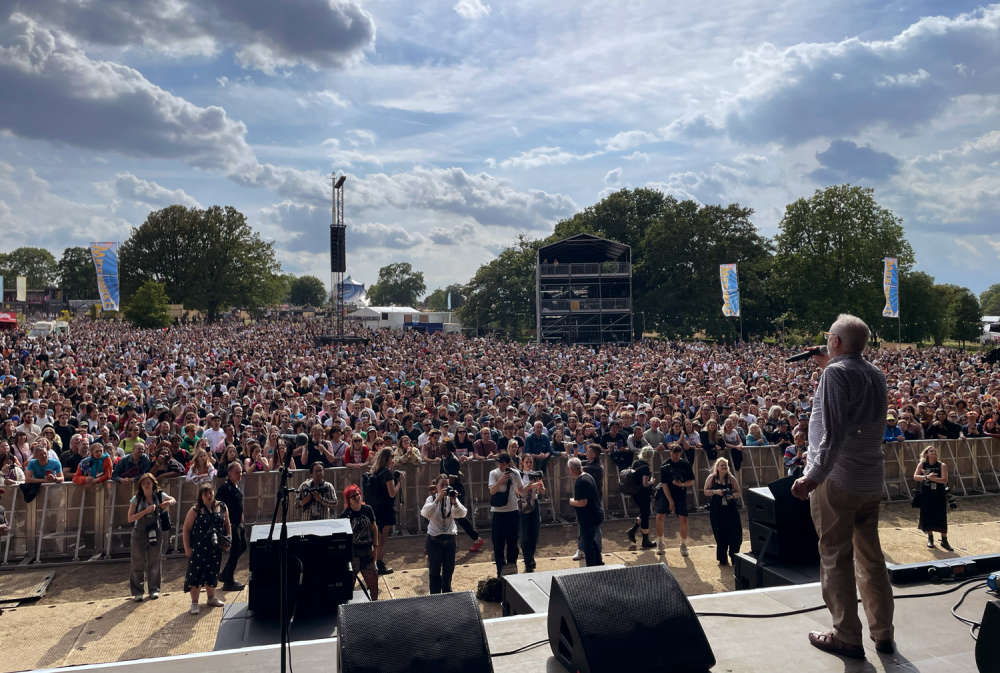 New party founded by Corbyn adopts Your Party as name
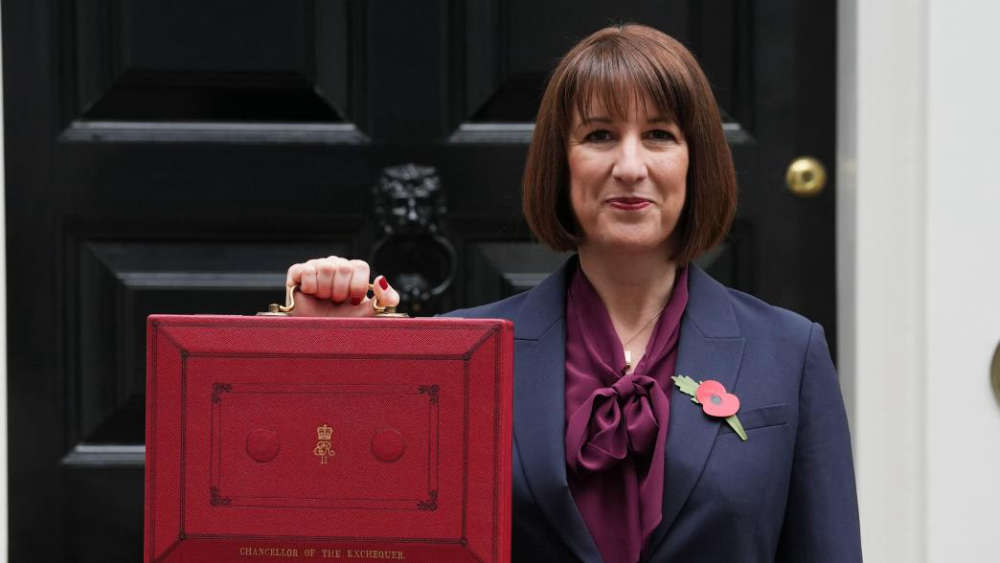 Reeves delivers 2025 Autumn Budget — sweeping tax rises and cost-of-living relief
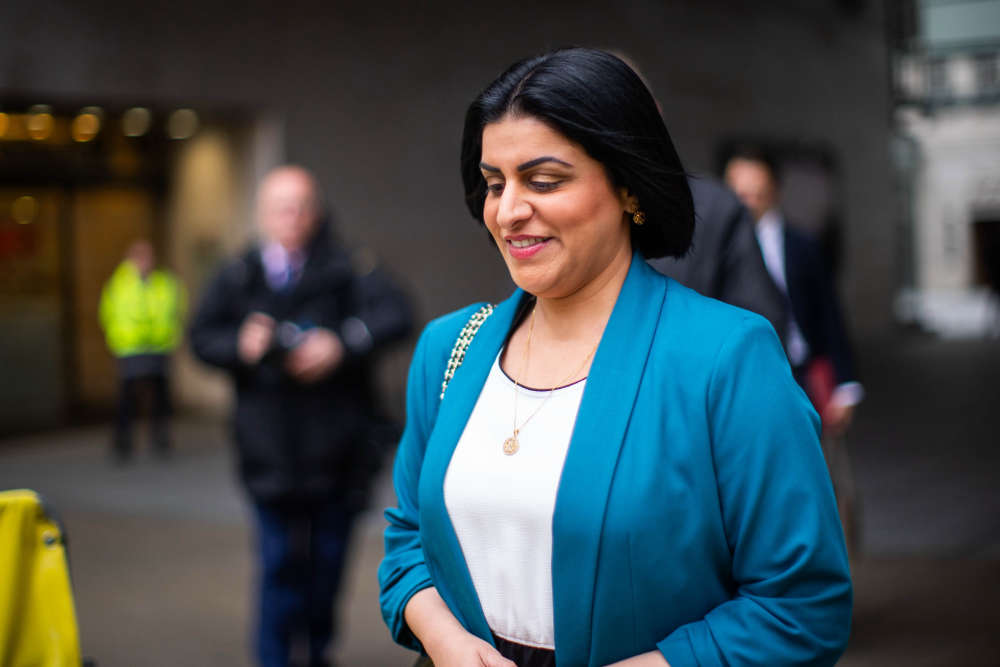 Home secretary signals overhaul of policing structure in England and Wales
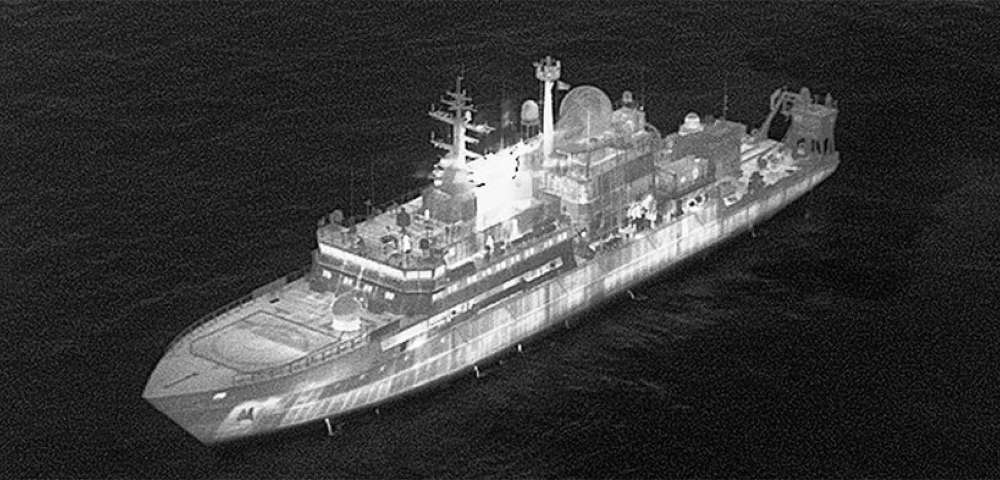 Russian spy ship pointed lasers at RAF pilots tracking it
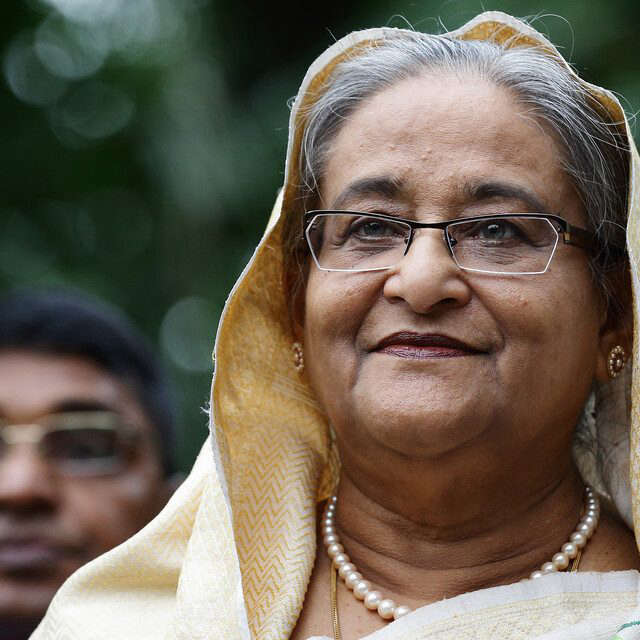 Ousted Bangladesh leader Sheikh Hasina sentenced to death
 Trump Backs Release of Epstein Files as Feud with Marjorie Taylor Greene Explodes