

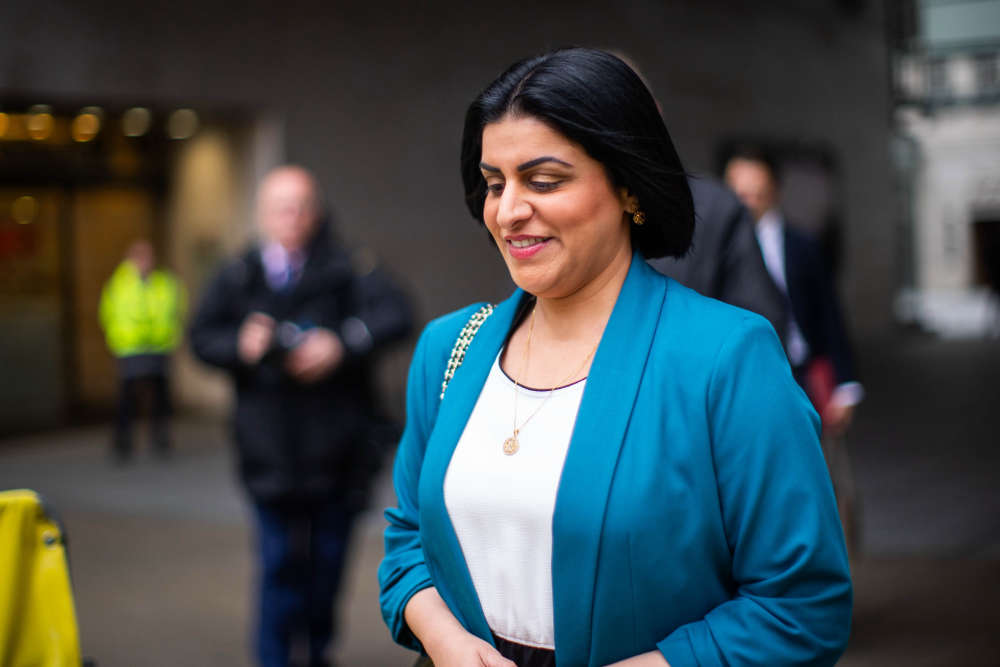
Home Secretary Shabana Mahmood has suggested she is considering significant changes to how policing is organised across England and Wales, hinting at one of the biggest structural reforms in decades.
Speaking at a joint conference of senior police leaders, Ms Mahmood said the current model of 43 territorial forces had created wide variations in performance and contributed to what she described as a “postcode lottery” in policing.
She said national responsibilities, such as the police air service and vetting standards, had increasingly been pushed down onto local forces, leaving them stretched and unable to focus fully on neighbourhood policing. The structure, she argued, had become “irrational” and no longer suited to tackling the kind of organised crime that regularly crosses regional borders.
The home secretary’s remarks come as the government prepares to publish a white paper on policing, expected within weeks, which will set out proposals for wider reform. Although she stopped short of confirming specific measures, her comments have fuelled speculation that major changes are being considered.
One option understood to be under review is the abolition of police and crime commissioners. The directly elected posts were introduced in 2012 to increase accountability, but ministers have repeatedly questioned their effectiveness, and some senior officers have privately described the model as a “failed experiment”. Their responsibilities could be transferred to regional mayors or local authority leaders.
Another area expected to feature prominently in the white paper is the possibility of merging forces or creating larger regional policing bodies. Supporters say this could help standardise performance, reduce duplication and make it easier to pursue criminal gangs operating across county lines. Critics warn it risks weakening local connections and creating large, remote bureaucracies.
Ms Mahmood said any changes would aim to strengthen neighbourhood policing and ensure communities “see and feel” the benefits of frontline officers. She also insisted that the public needed a system that was “consistent, efficient and built around the challenges of modern crime”.
Police leaders have long debated the future of the 43-force structure, with several chiefs arguing it is no longer sustainable against rising demand, budget pressures and the increasingly complex nature of serious crime. Others maintain that local accountability and familiarity with communities remain vital.
No decisions have yet been announced, and the Home Office has said detailed proposals will be set out once the white paper is published. Consultations with forces, local leaders and police oversight bodies are expected to follow.
The government has not given a timetable for when reforms might be introduced, but ministers have signalled that changes to governance – including the future of police and crime commissioners – could come first, paving the way for more substantial restructuring later.
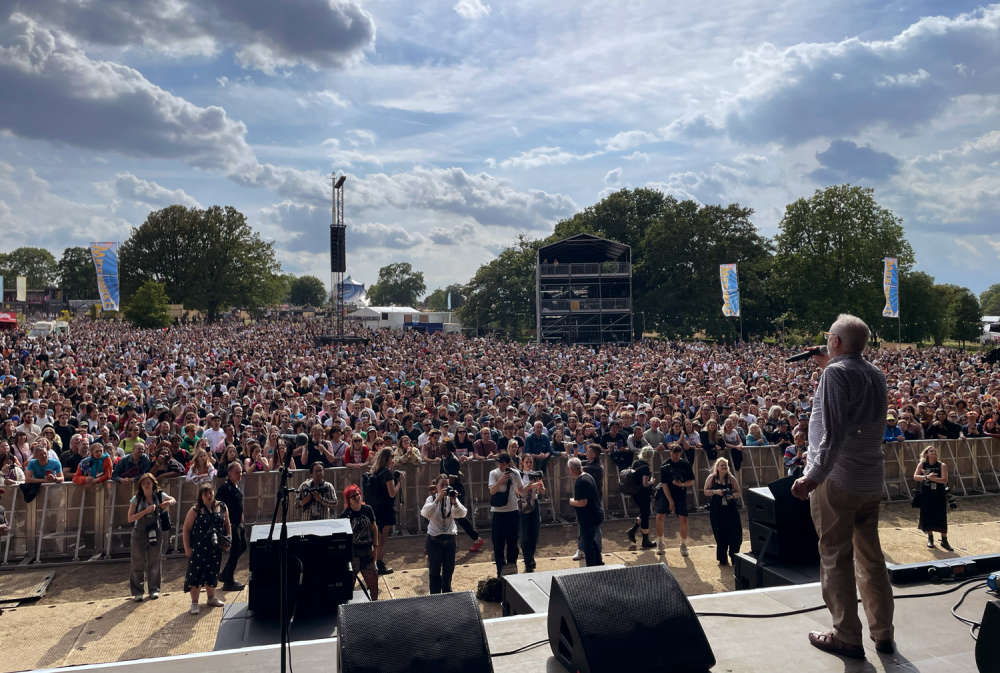 New party founded by Corbyn adopts Your Party as name
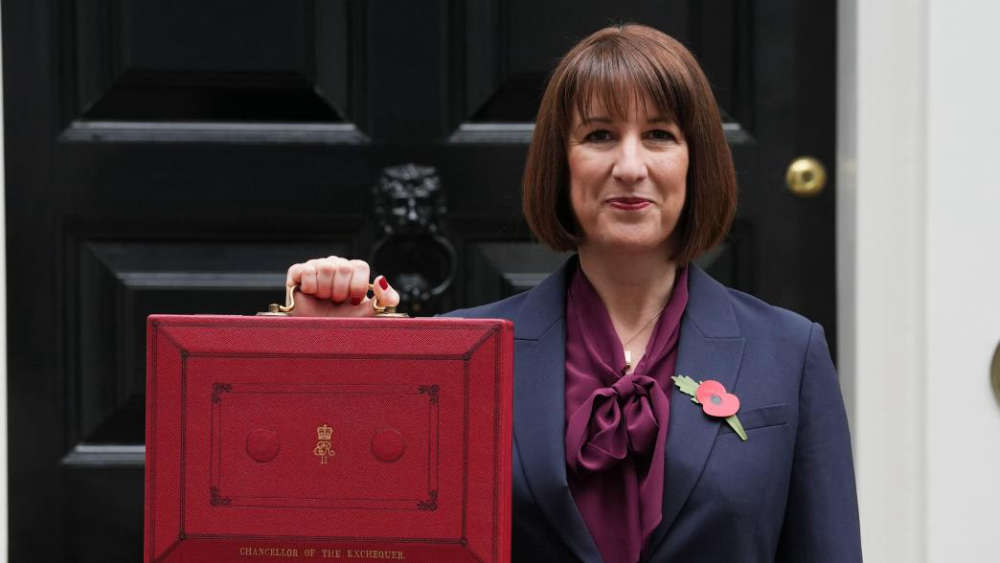 Reeves delivers 2025 Autumn Budget — sweeping tax rises and cost-of-living relief
 Russian spy ship pointed lasers at RAF pilots tracking it
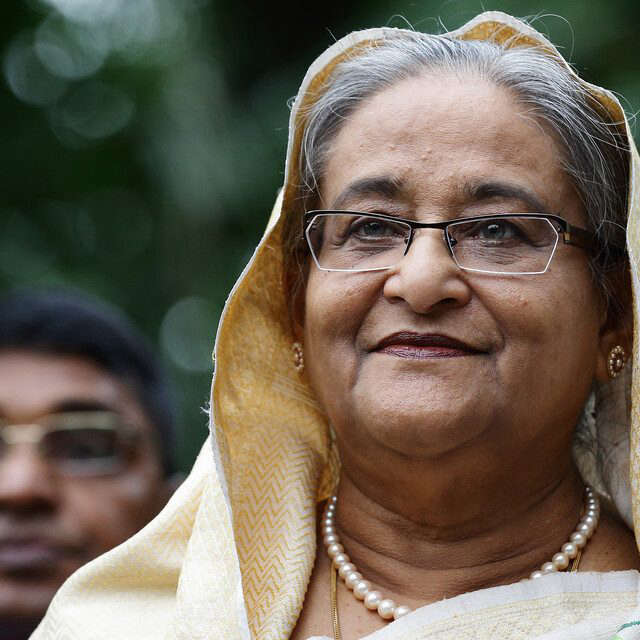 Ousted Bangladesh leader Sheikh Hasina sentenced to death
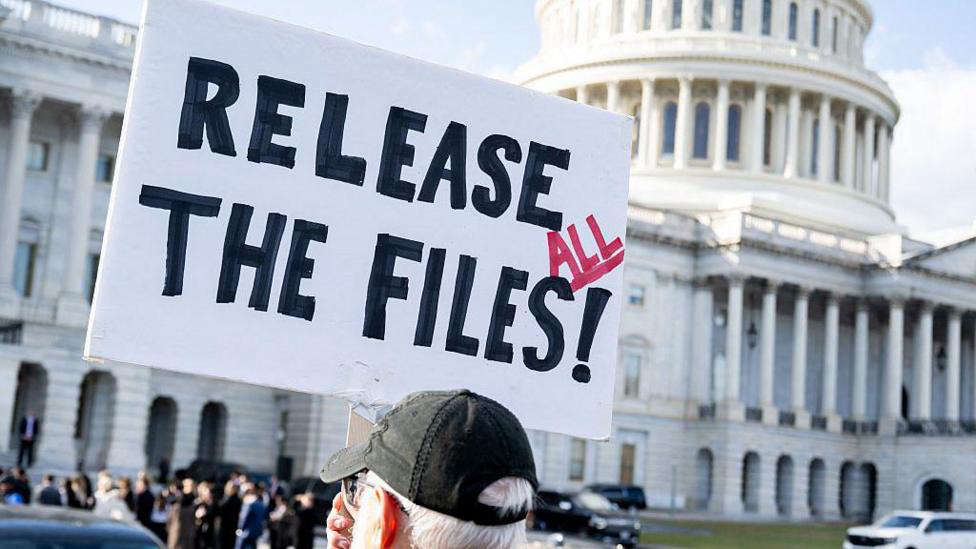 Trump Backs Release of Epstein Files as Feud with Marjorie Taylor Greene Explodes
 Angela Rayner declines to rule out running for Labour leader as she condemns infighting