

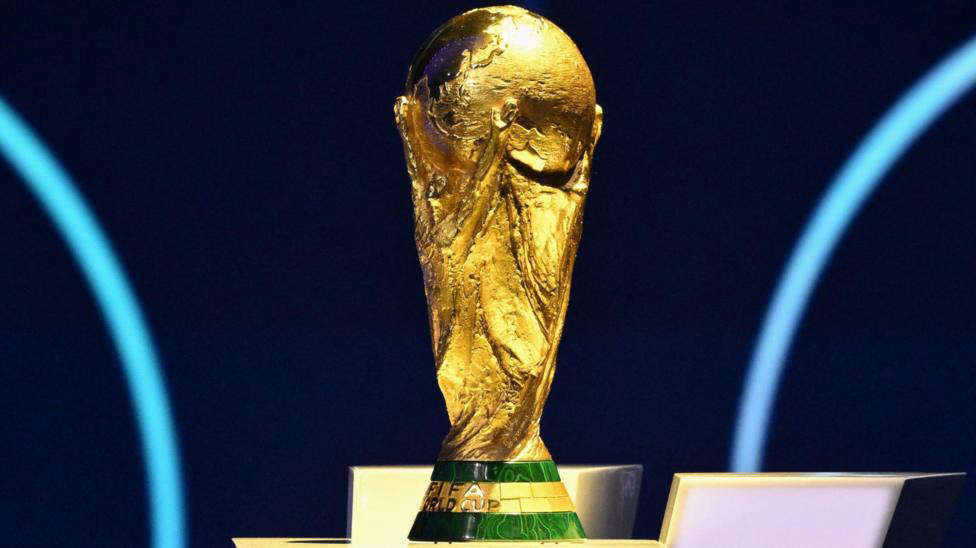
The draw for the 2026 FIFA World Cup has set the stage for an expanded and historic tournament, with 48 teams learning their group-stage opponents during a ceremony in Washington, D.C.
President Donald Trump was also presented with a special FIFA award recognising his role in supporting preparations for the North American-hosted competition.
Held at the Kennedy Center, the draw marked the official start of the build-up to what will be the biggest World Cup ever staged. The United States, Canada and Mexico will co-host the tournament, with the new 48-team structure forming 12 groups of four. The top two in each group — along with the eight best third-placed nations — will advance to a newly expanded round of 32.
England, now under the management of Thomas Tuchel, were handed a familiar opponent in Croatia — a fixture that carries echoes of their 2018 World Cup semi-final. Tuchel’s side will also meet Ghana and Panama in Group L, creating a blend of technical, physical and unpredictable tests. While England enter the tournament as group favourites, the diversity of styles within their group is expected to probe Tuchel’s tactical adaptability on the biggest stage.
Scotland were handed one of the most eye-catching draws of the event. Positioned in Group C alongside Brazil, Morocco and Haiti, Steve Clarke’s squad will enter a stage loaded with prestige and difficulty. Brazil remain one of football’s global superpowers, Morocco arrive as one of the most respected sides from Africa, and Haiti will look to disrupt expectations. It is a daunting assignment, but also one that promises huge international attention.
The United States, hosting World Cup matches for the first time since 1994, were placed in Group D with Australia, Paraguay and a European play-off winner. The draw was met with cautious optimism among American supporters, who believe home advantage could propel the national team deeper into the tournament than in previous years. Australia’s tournament experience and Paraguay’s defensive resilience, however, ensure competitive encounters across the group.
Germany’s placement in Group E alongside Curaçao, Ivory Coast and Ecuador was viewed as favourable, though recent results at major tournaments have prompted more restrained expectations. With no traditional heavyweight in the group, pressure will be on Germany to avoid another early exit.
The expanded format, which increases global representation, is expected to introduce new tactical and logistical challenges. Coaches will need to navigate longer tournament routes and prepare for wider stylistic variations. The structure also prolongs group-stage jeopardy, as even third place may be enough to progress.
Away from the sporting drama, the ceremony drew global headlines when FIFA president Gianni Infantino presented President Trump with an honorary award acknowledging the administration’s cooperation in staging the continent-wide event. Trump, attending in person, described the honour as “a tremendous recognition” and said the 2026 tournament “will be the greatest celebration of football the world has ever seen.” His appearance added a political dimension to an already high-profile event, drawing both applause and scrutiny in equal measure.
As excitement builds, attention will now turn to the playoff qualifiers that will complete the remaining open positions. FIFA is expected to release the full match calendar, including stadium assignments and kick-off times, early next year. With renewed rivalries, expanded participation and the added spectacle of three host nations, the 2026 World Cup is shaping up to be the most ambitious tournament in the competition’s history.
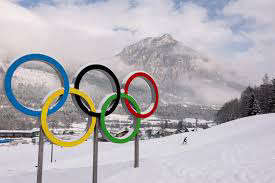 The Winter Olympic and Paralympic Games of 2026
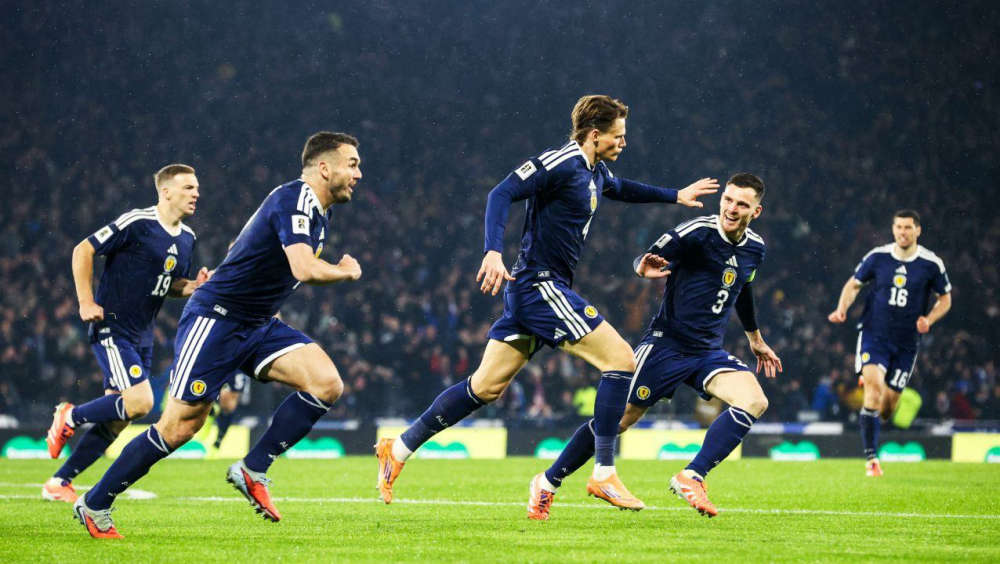 Scotland Beat Denmark to Reach First Men’s World Cup in 28 Years
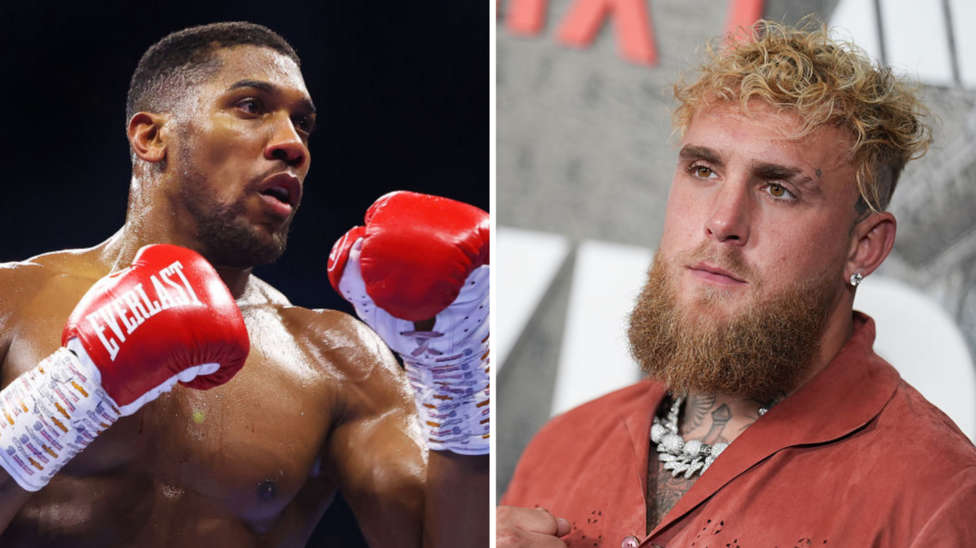 Joshua to Fight YouTube Star Paul in December Showdown
 Sky Sports axes new TikTok channel ‘Halo’ after just three days following sexism backlash
 Luke Littler Clinches Grand Slam Title and Becomes Youngest World Number One
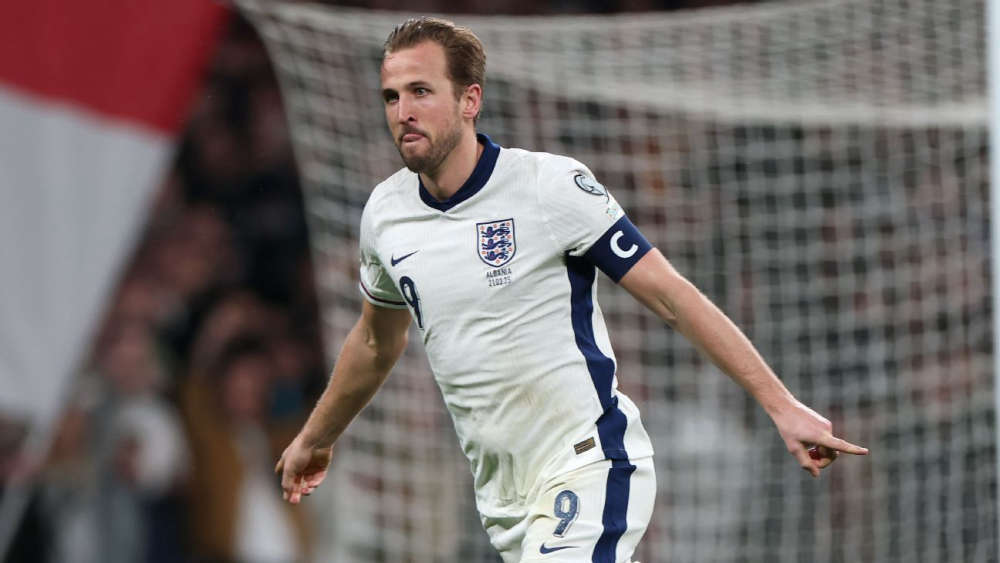 England finish World Cup qualifying in style as Kane brace seals 2–0 win over Albania