


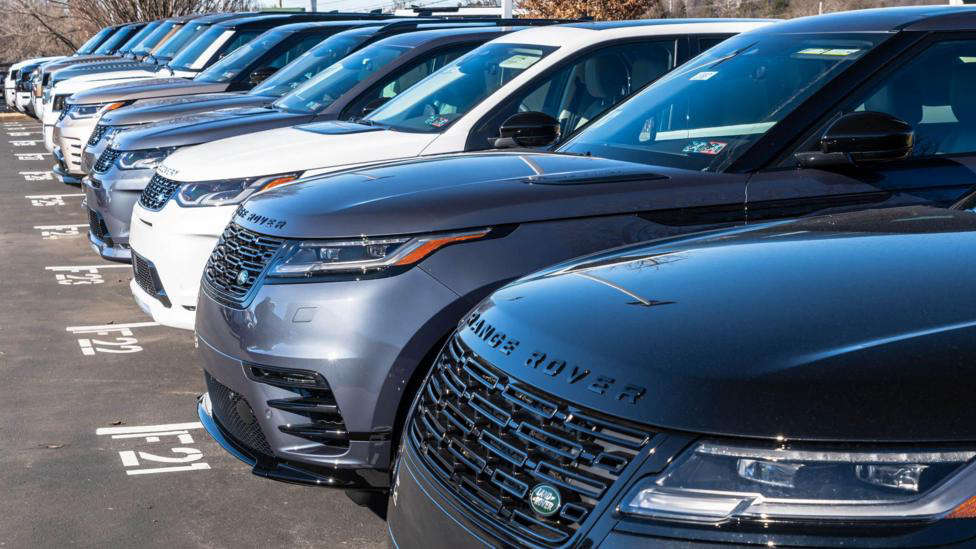
Jaguar Land Rover (JLR) has fallen to a pre-tax loss of £485 million for the three months to the end of September, after a severe cyber-attack forced production to a halt across several UK plants.
The late-August cyber breach shut down core IT systems and brought operations at Solihull, Halewood and the Wolverhampton engine plant to a standstill for weeks. JLR has confirmed £196 million in direct costs linked to the incident, covering emergency response efforts, system recovery, cybersecurity upgrades and the phased restart of its global manufacturing network.
The disruption triggered a steep drop in revenue to around £4.9 billion for the quarter. Industry analysts noted that the shockwaves rippled through the wider UK automotive supply chain, with JLR’s temporary shutdown contributing to the country’s sluggish economic growth figure of 0.1% for the period.
Beyond the cyber-attack itself, JLR was already navigating several structural pressures. The company is currently phasing out ageing Jaguar models as part of its transition toward a new electric vehicle line-up, while also facing ongoing export challenges and tariff pressures in the United States.
Despite the scale of the setback, the company says production has now stabilised. Most UK plants are operating at or close to full capacity, and engineers used the enforced downtime to accelerate development of new electric models — including more than 150 prototypes for the next-generation all-electric Jaguar.
However, JLR warned that some lost production volumes are unlikely to be recovered, meaning the financial impact could stretch into future quarters. The source of the cyber-attack is still under investigation, and the company has not confirmed whether any data was compromised.
The incident has reignited concerns about cyber-resilience within the UK’s advanced manufacturing sector, as firms increasingly rely on interconnected digital systems. For JLR, the episode marks a major interruption to its electrification strategy — and a reminder of the growing risks facing the automotive industry.
 Sky Sports axes new TikTok channel ‘Halo’ after just three days following sexism backlash

